At the Brooklyn Museum, Hopi Kachina Dolls Through the Eyes of Girls and Women
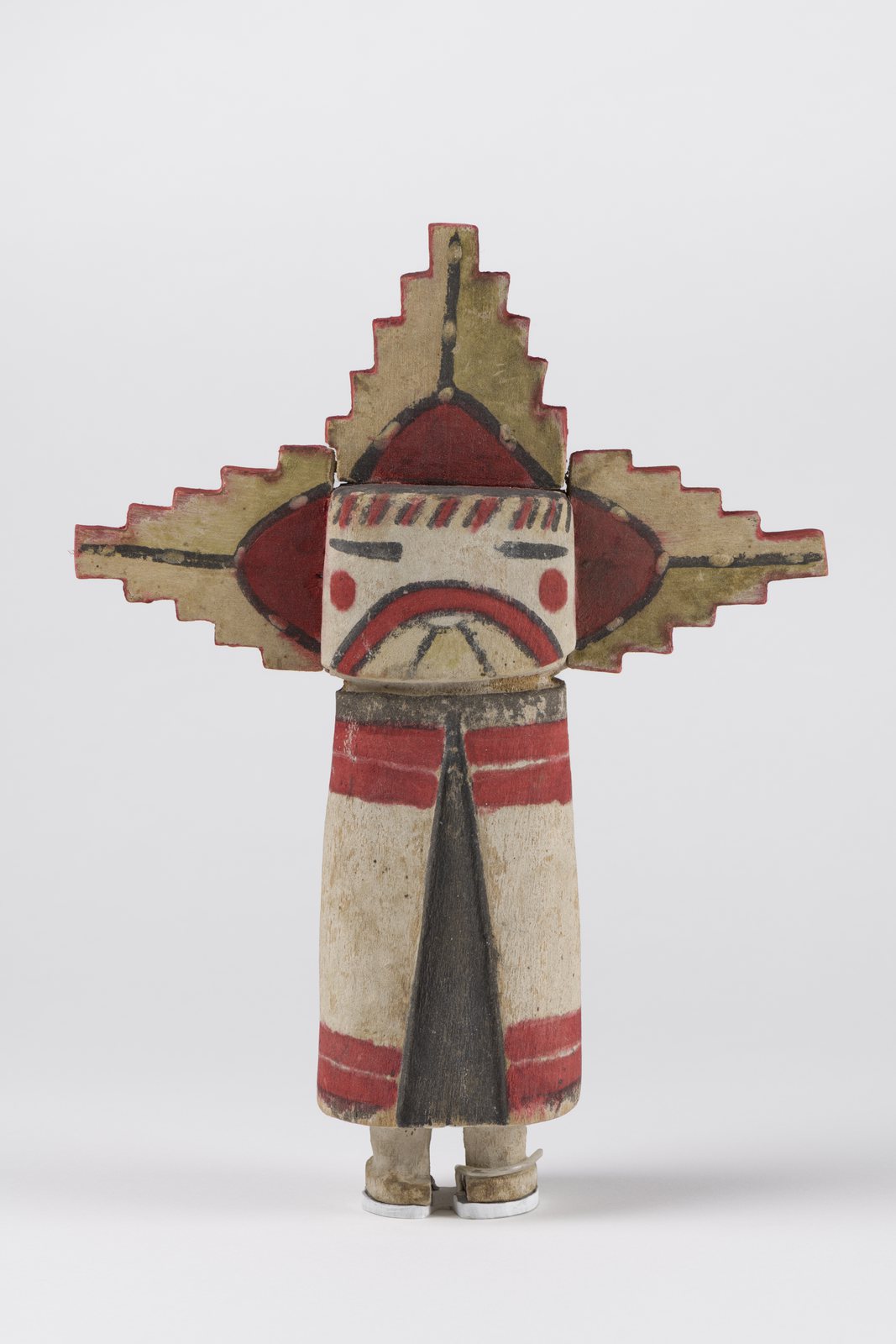
For Indigenous Peoples’ Day, here is the show we would go see. Carved from cottonwood and painted, Hopi kachina dolls represent the Katsinam, the spirits who bring rain to the Hopi villages of northeastern Arizona and keep the world in balance. The Katsinam give the dolls, tithu in Hopi, to infants, girls and women. Yet, as the Brooklyn Museum puts it, their viewpoints “have been historically overlooked in previous publications and exhibitions.” “Hopi Kachina Dolls: Blessings for a Balanced World,” on view through June 27, 2027, in the museum’s Elizabeth A. Sackler Center for Feminist Art, home of Judy Chicago’s “The Dinner Party,” is the first exhibition to look at the tradition from the side of the people who receive them.
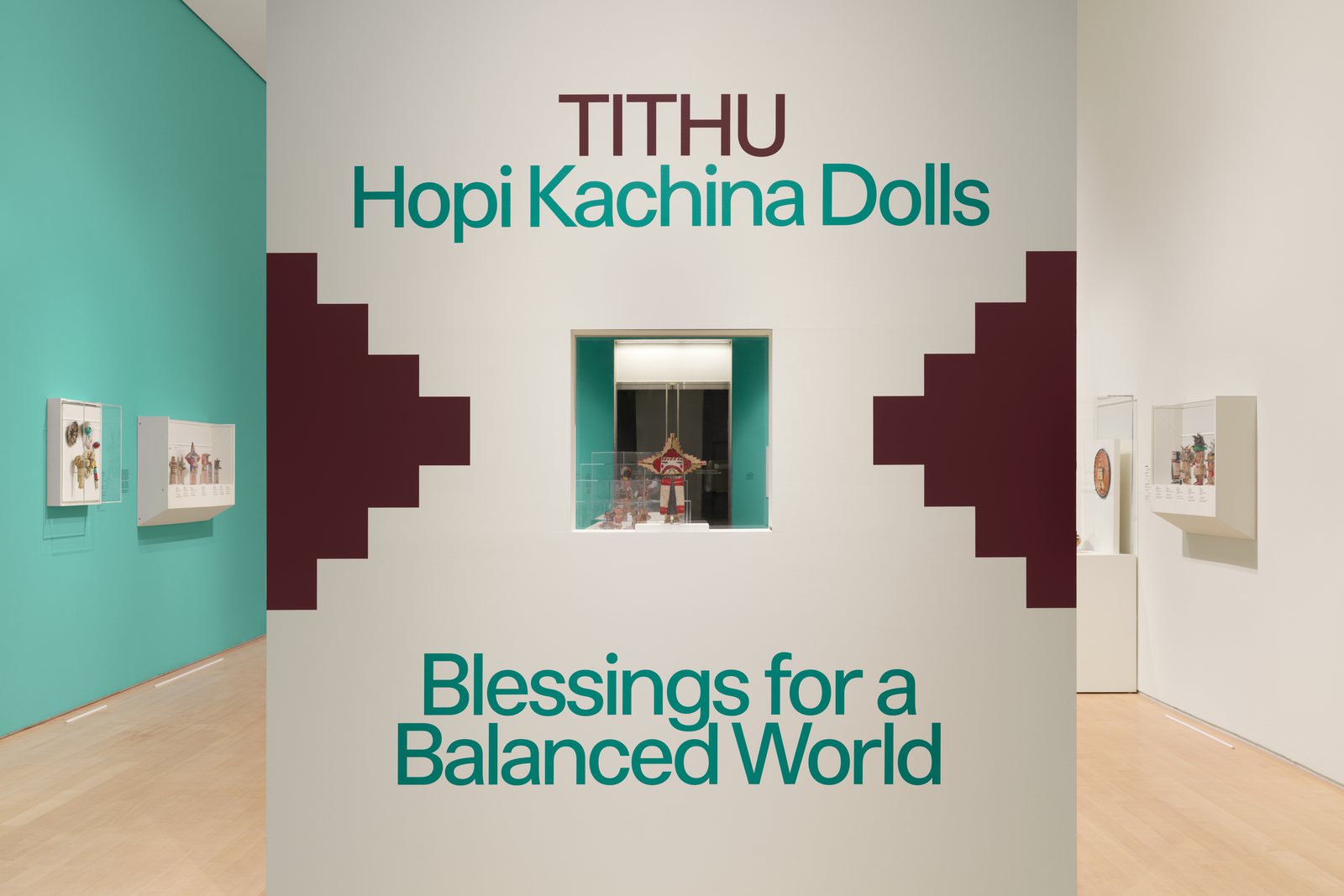
A Hopi Woman’s Life in Tithu
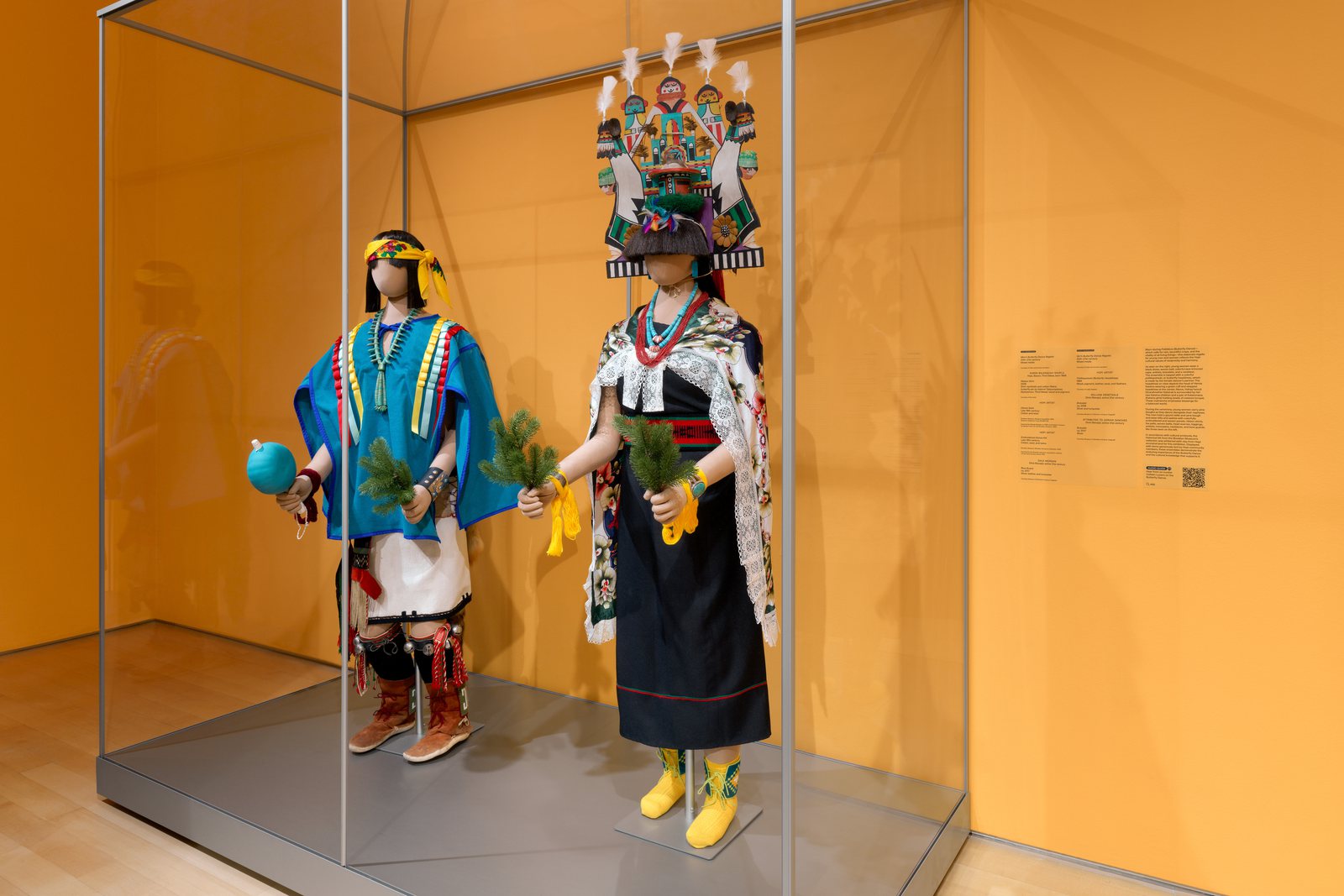
The show follows the phases of a Hopi woman’s life. At her naming ceremony, a newborn receives a name and a quilt from her female relatives, and a flat kachina doll and a small wicker plaque from the Katsinam. Girls are given more elaborate dolls as they grow up, along with pottery and coiled baskets, and married women receive more complex tithu still. Fifty-three dolls from the museum’s collection are among the more than 120 works on view, with two Butterfly Dance ensembles and photographs of a Hopi bride’s wedding attire.
Curated by Colleen Lucero, Nancy B. Rosoff and Dare Turner
Guest curator Colleen Lucero (Hopi), managing director of the Hopivewat Learning Center, organized the exhibition with the museum’s Nancy B. Rosoff, senior curator of arts of the Americas, and Dare Turner (Yurok Tribe), curator of Indigenous art. In her catalogue essay, Turner writes that as an Indigenous art curator, “I work with relatives, not objects.” She sees the dolls in the museum’s storage as asleep rather than dead, “patiently waiting to be woken up by members of their cultural community.” For this show, Hopi community members woke them with their language, gifts of traditional food and their touch.
Hopi Women Artists Today
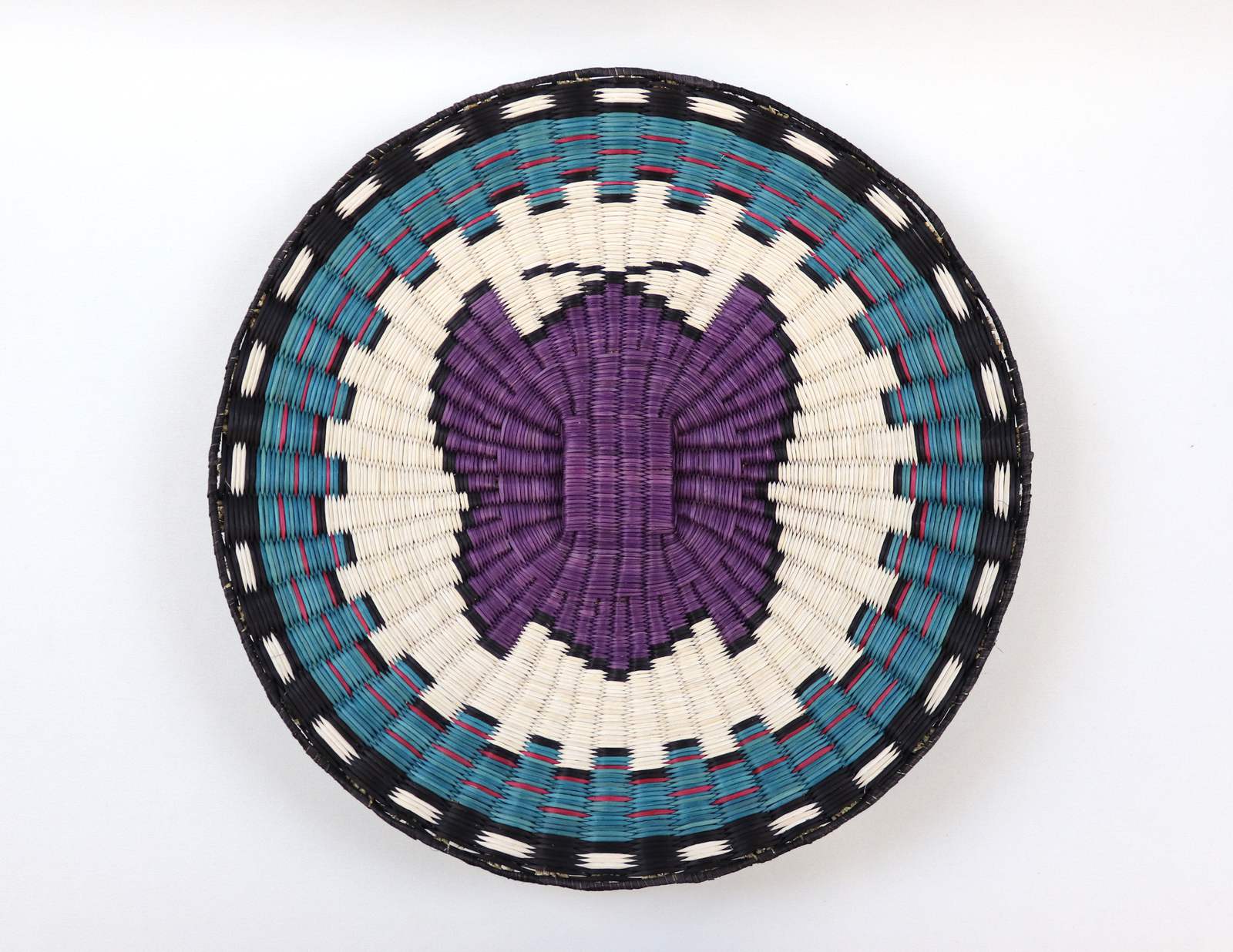
The last section, “Sharing Katsinam with the World,” turns to Hopi women as makers, from the 19th-century tourist trade to today. Thirty ceramic vessels, baskets and pieces of jewelry carry Katsina imagery, among them woven plaques by Kathryn Kooyahoema and Jessica Lomatewama, a tile of Hahay’iwùuti, the Grandmother, by Gwen Setalla, and a gold Hopi Maiden pendant by Verma Nequatewa. In new video interviews, six of the artists talk about growing up Hopi and their dedication to Hopi culture.
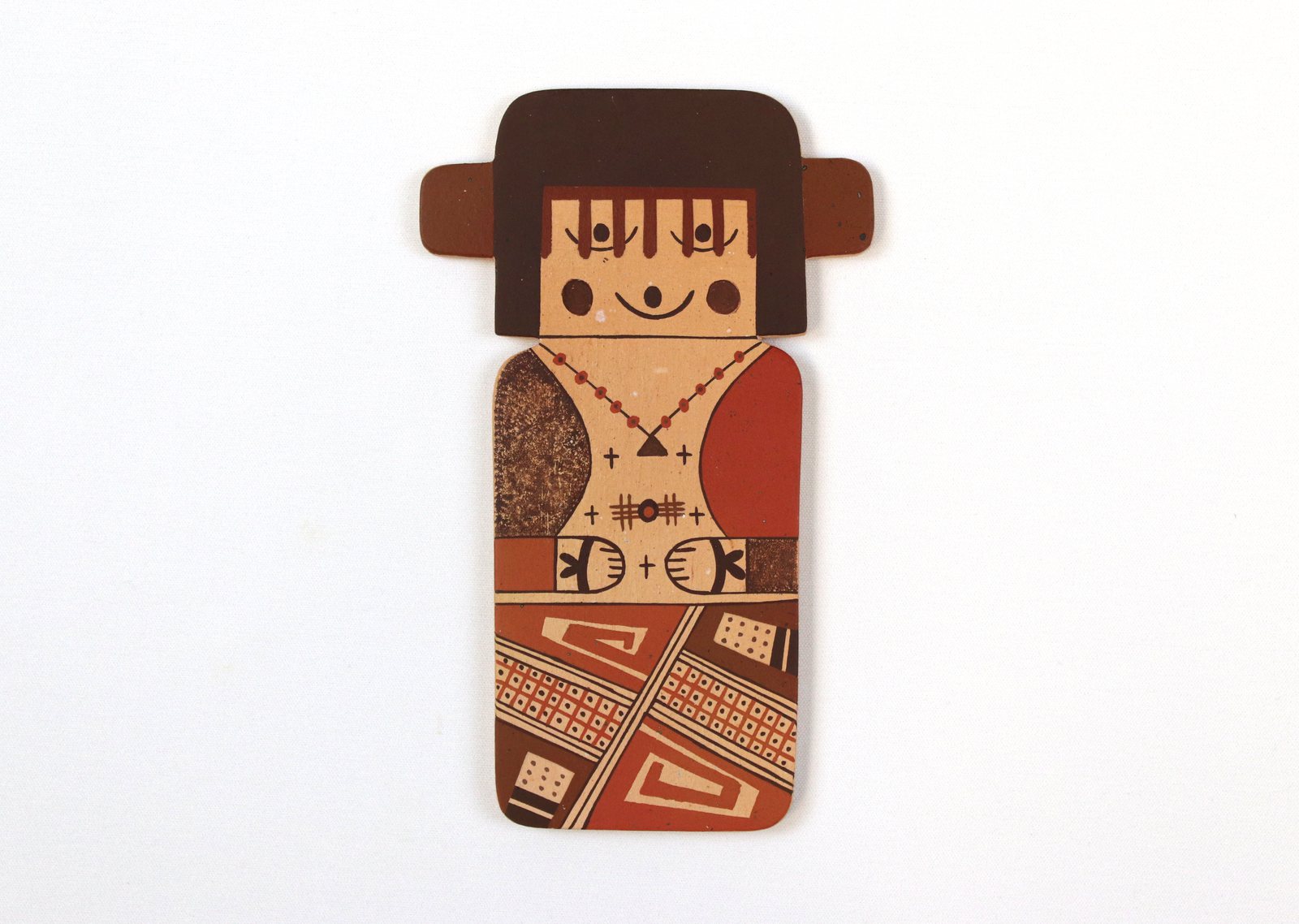
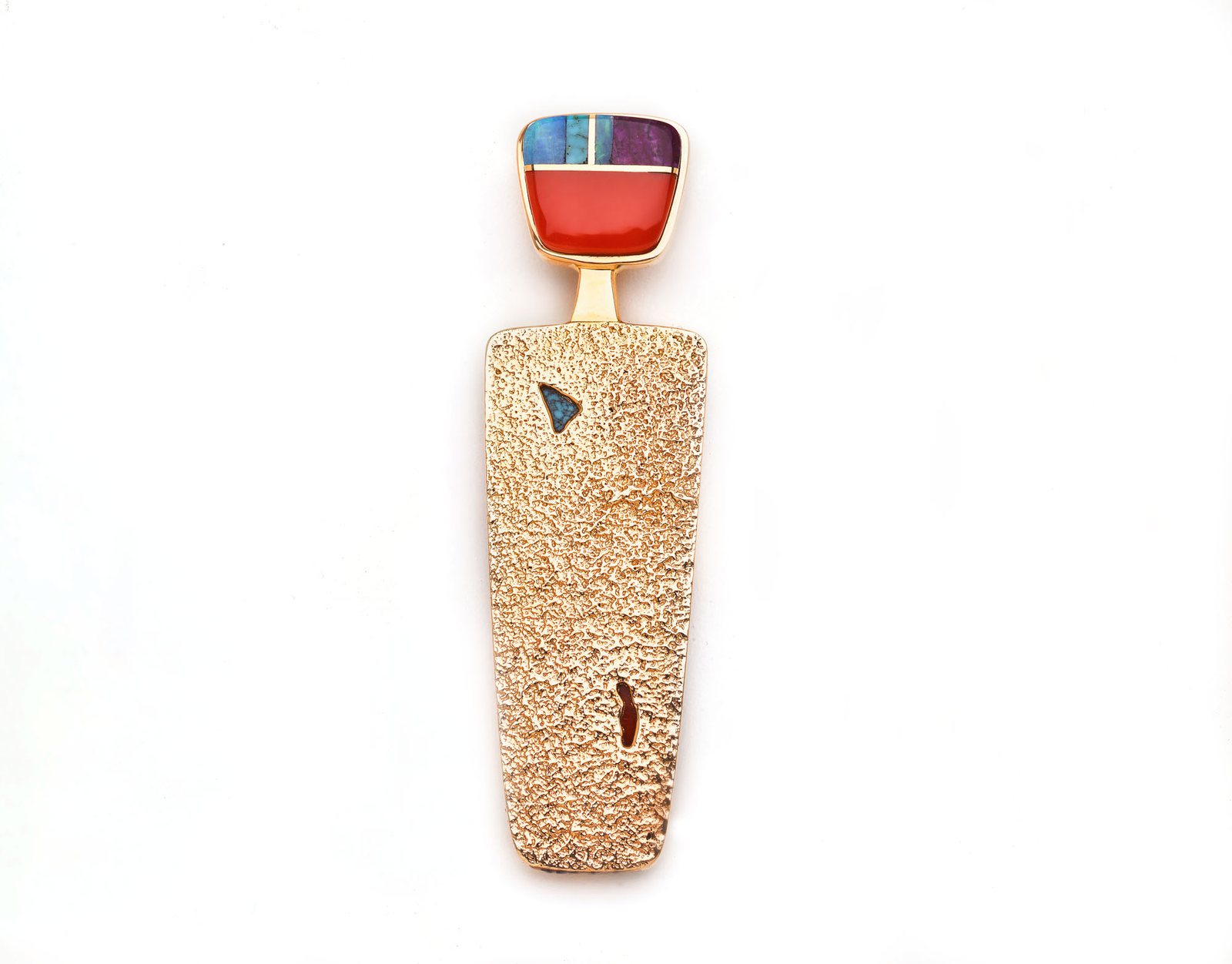
“Katsina spirits play a vital role in my life by guiding me with pure dedicated faith, humility, and kindness,” Lucero says. “I am excited to share this tradition with the broader public.”
“Hopi Kachina Dolls: Blessings for a Balanced World” is on view at the Brooklyn Museum, 200 Eastern Parkway, through June 27, 2027. It is included in general admission.
For more shows by women artists and curators, see our On View list.


