Emma Stebbins, New York’s First Woman to Win a Public Sculpture Commission
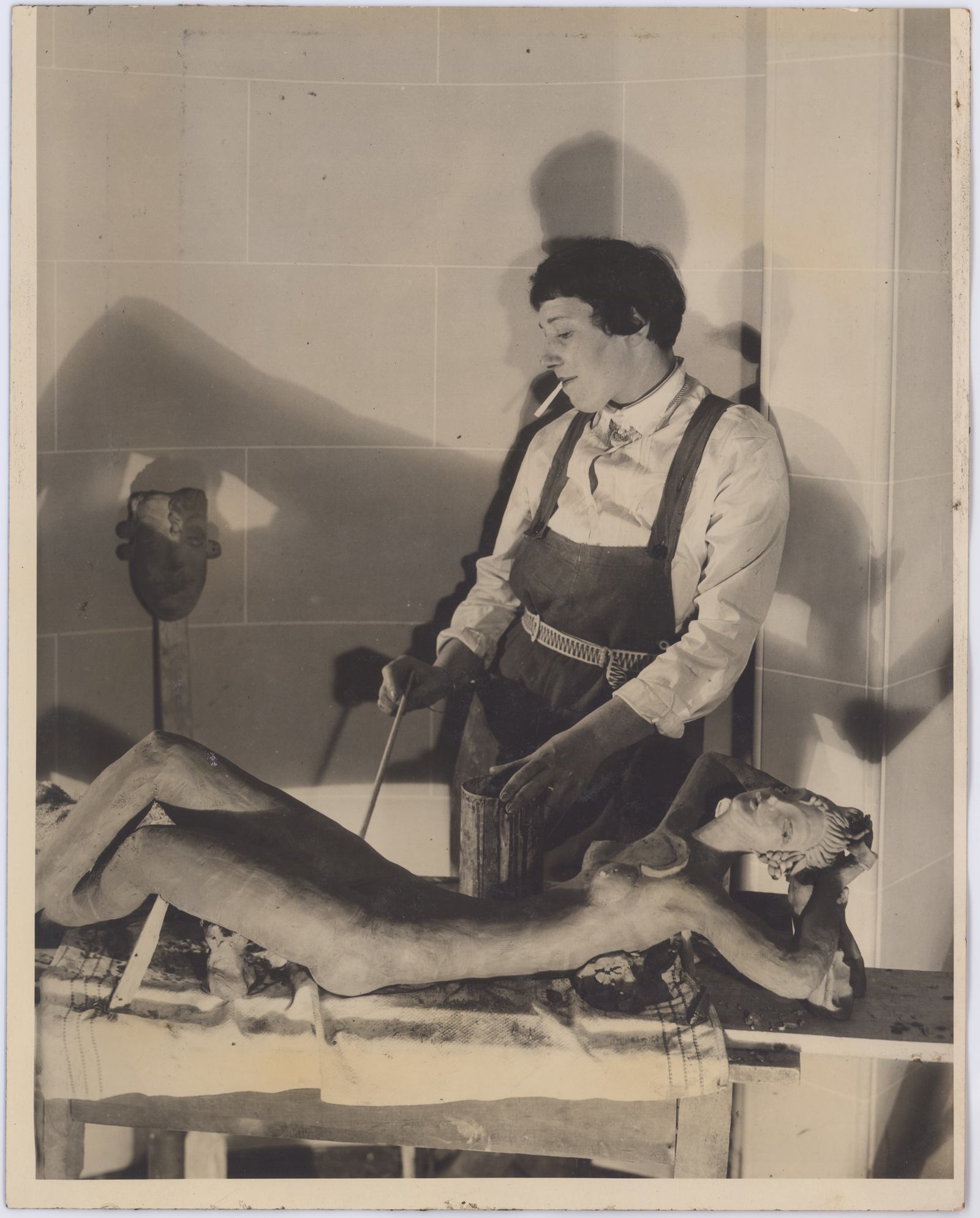
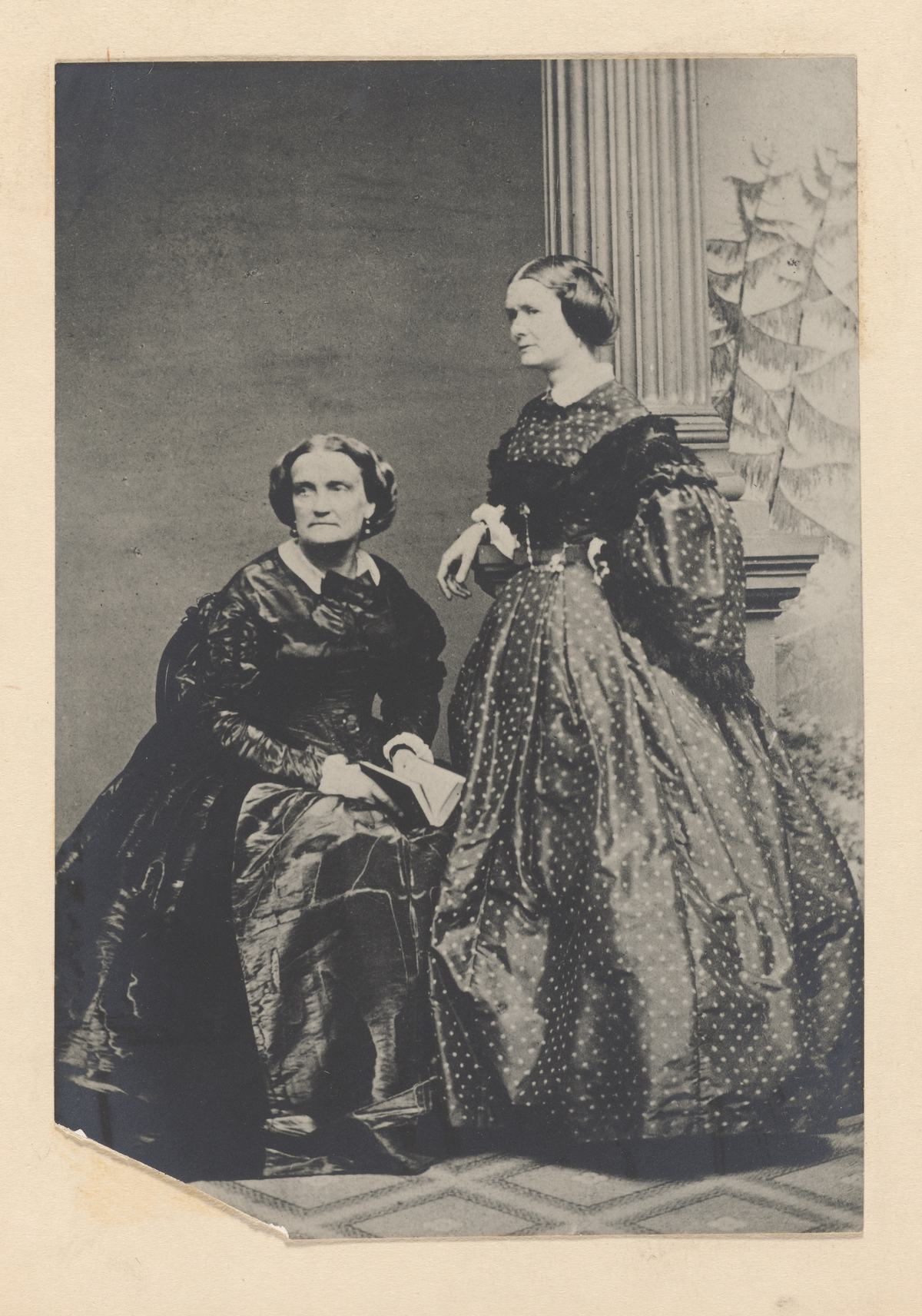
Emma Stebbins was born in New York City in 1815, the daughter of a banker, and trained as a painter. By 1843 she was an associate of the National Academy of Design. In 1857, in her early 40s, she moved to Rome, where she turned to sculpture and joined the American and British artists working in marble there. There she met the American actress Charlotte Cushman, who became her partner for the rest of Cushman’s life.
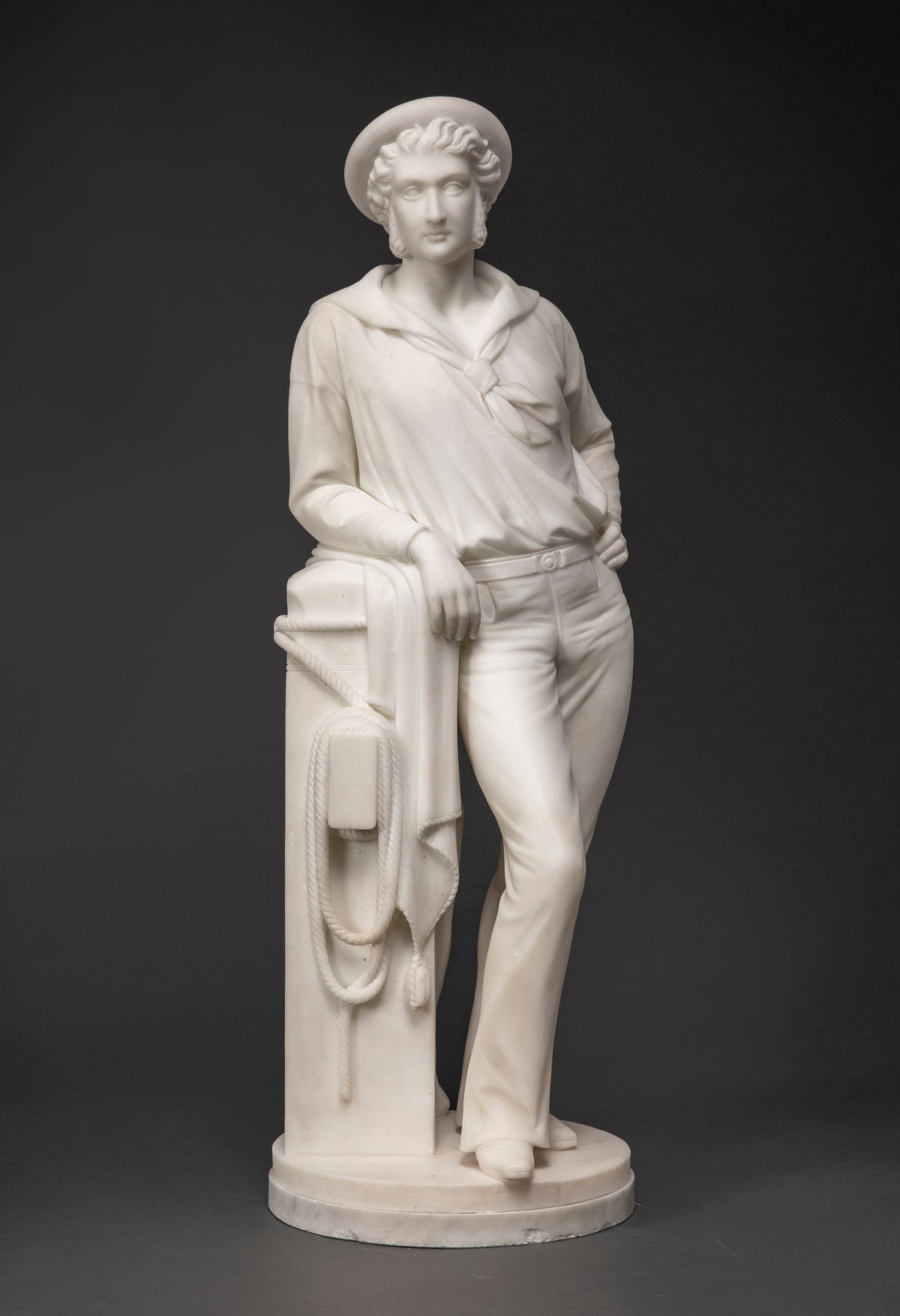
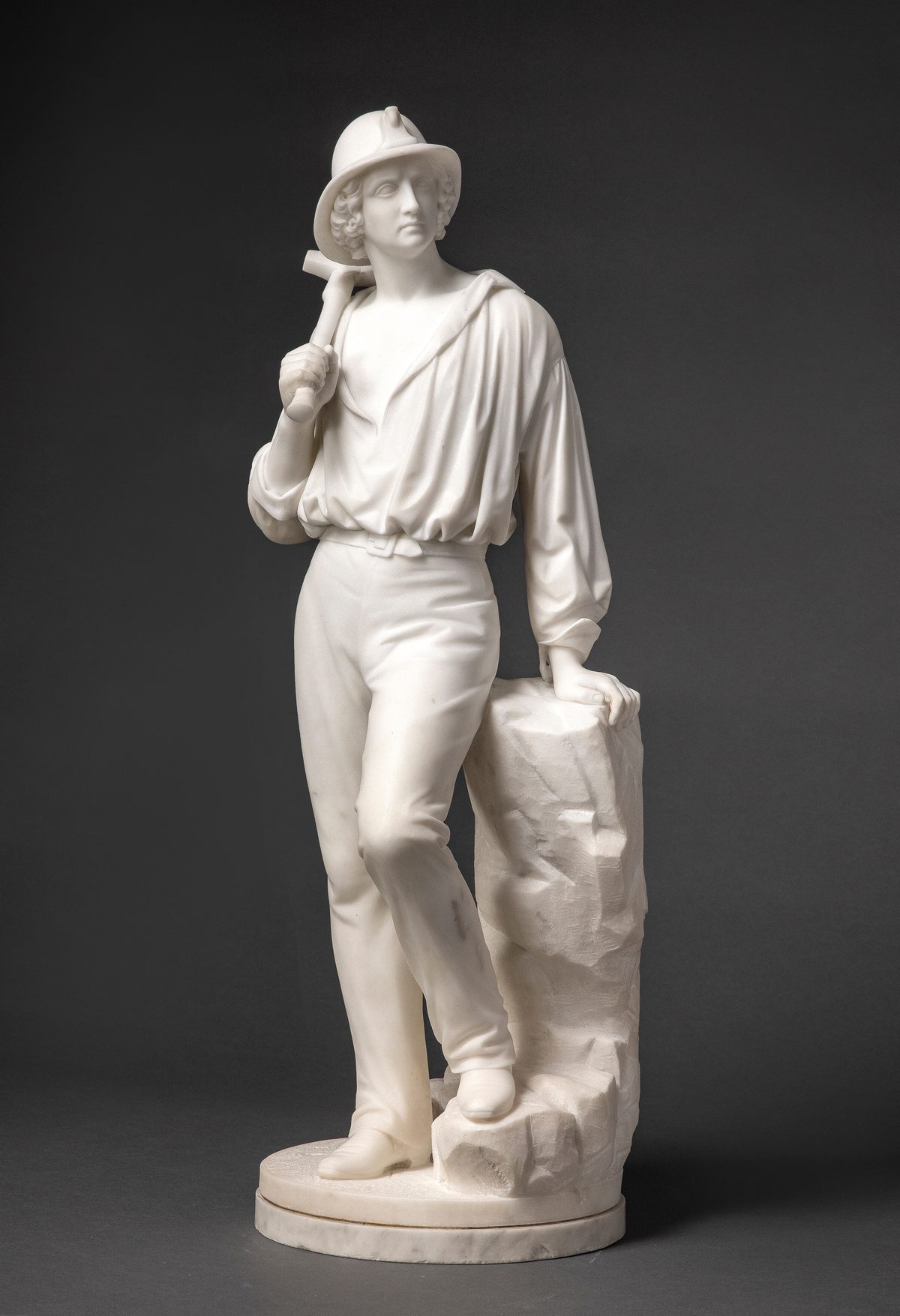
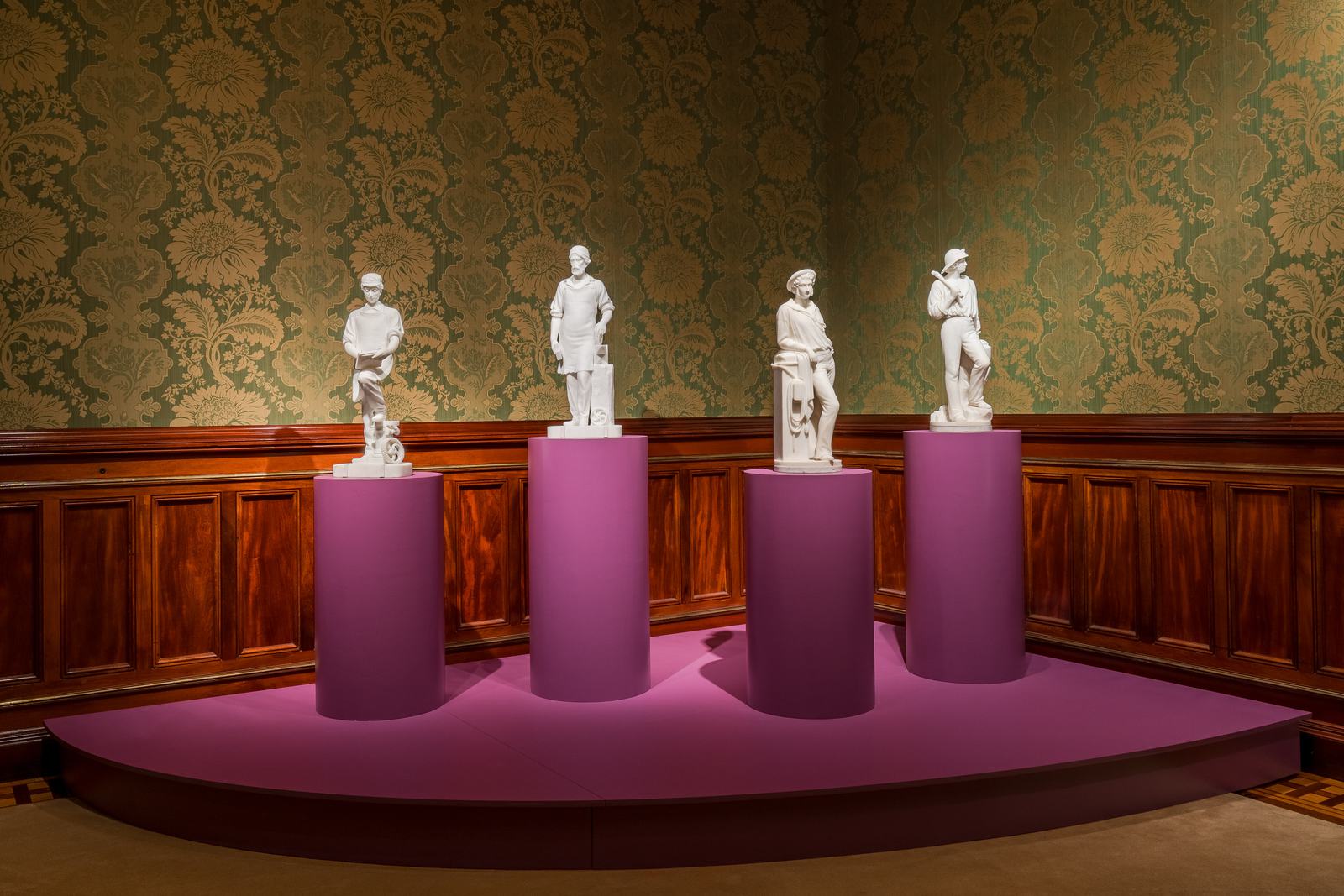
In Rome she carved figures from literature and the Bible, as well as a sailor and a miner, titled “Commerce” and “Industry.”
The Bethesda Fountain
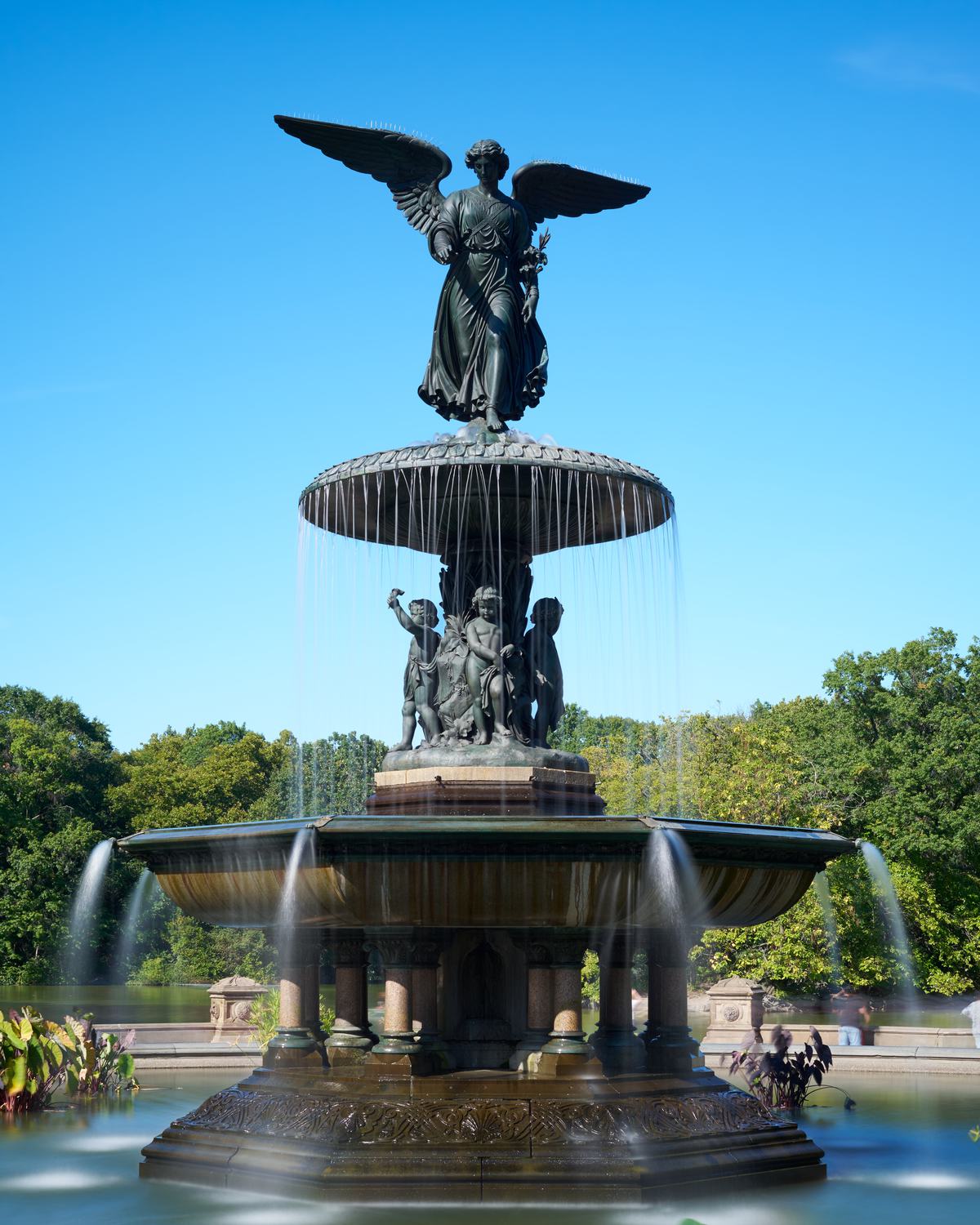
In 1863, Stebbins became the first woman to win a public sculpture commission from New York City, when the city chose her to make the fountain for Bethesda Terrace in Central Park. Her brother Henry was president of the park’s board of commissioners, and some critics said he had steered the job to her. The bronze angel refers to the healing pool of Bethesda in the Gospel of John, and the fountain also celebrates the Croton Aqueduct, which had brought the city clean water since 1842. When “Angel of the Waters” was dedicated in 1873, the reviews were unkind.
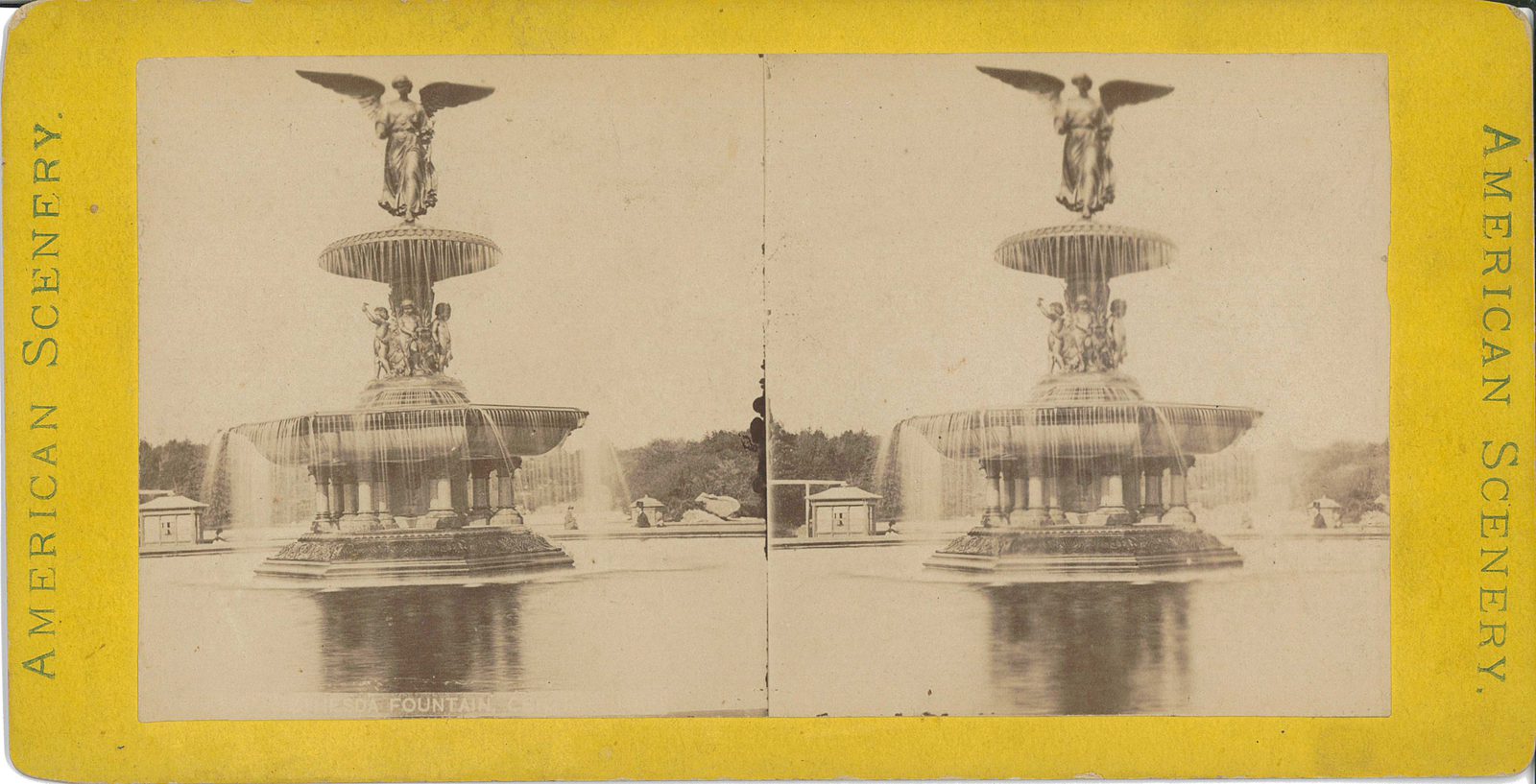
The couple returned to the United States in 1870 after Cushman was diagnosed with breast cancer, and Stebbins made little new work after that. Following Cushman’s death in 1876, she edited “Charlotte Cushman: Her Letters and Memories of Her Life.” Today the Central Park Conservancy includes the angel in its tours of the park’s LGBTQ history.
“Carving Out History”
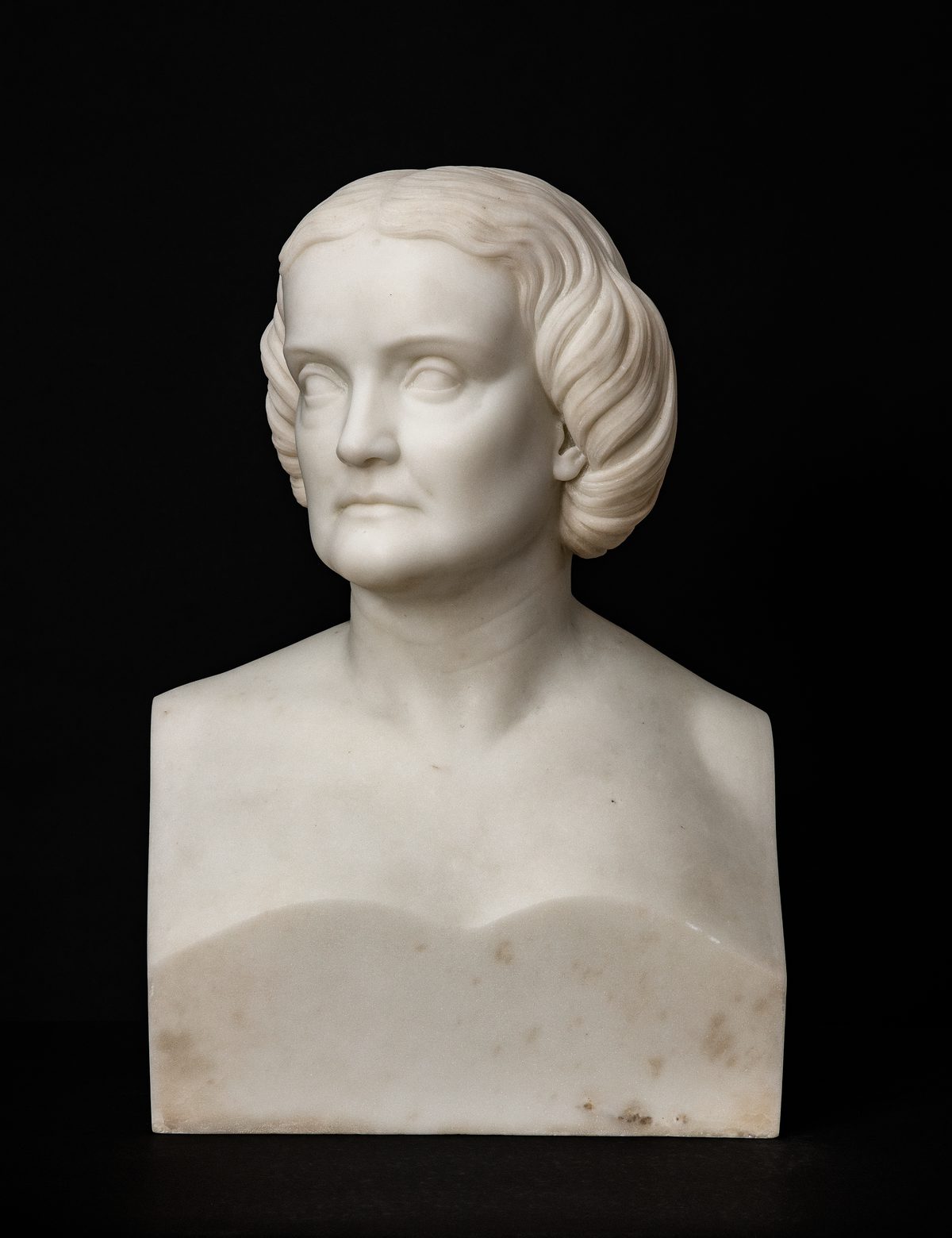
“Emma Stebbins: Carving Out History,” the first museum exhibition devoted to her, is on view at the Driehaus Museum in Chicago through April 18, 2027. Organized by the Heckscher Museum of Art and curated by Karli Wurzelbacher, it includes 13 marble sculptures along with paintings and archival material, including a section on her bust of Cushman.
The Driehaus Museum is at 50 E. Erie St., Chicago. For more current shows, see On View.