At the Met, the Bark Cloths Samoan Chiefs Gave Robert Louis Stevenson
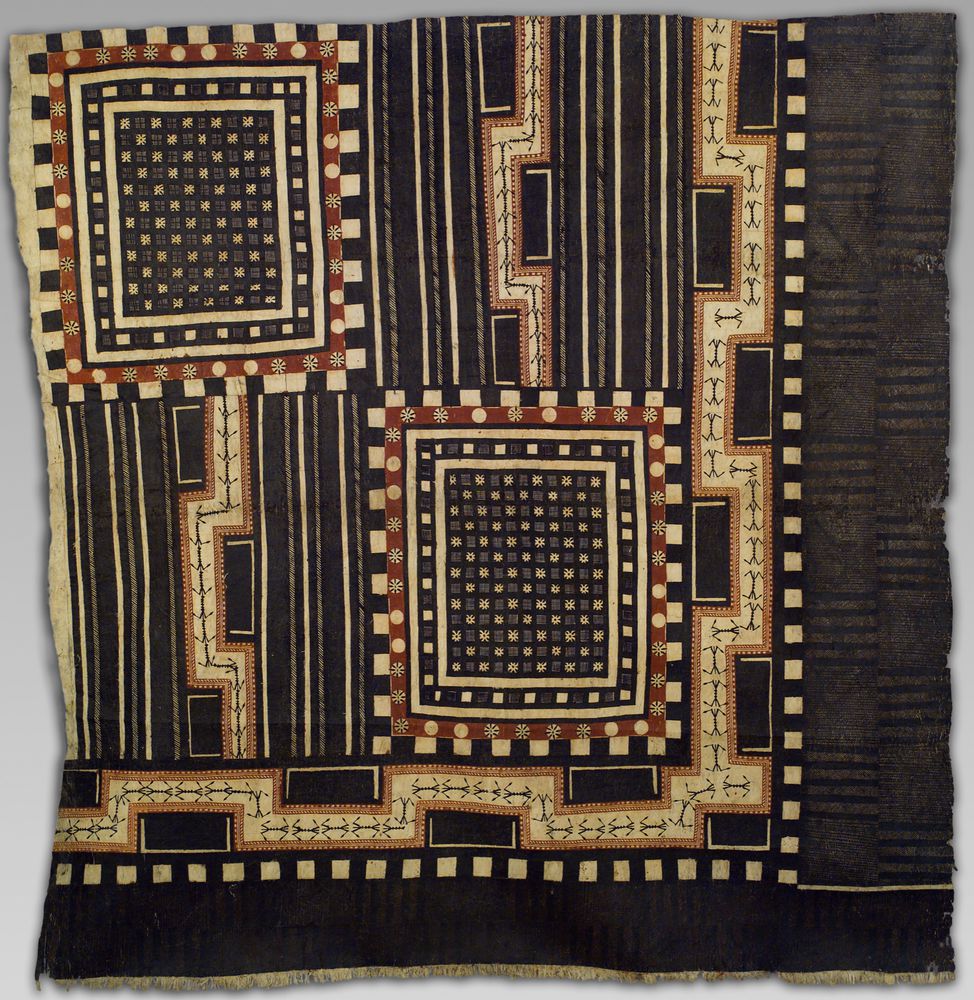
In the early 1890s, high-ranking chiefs in Samoa gave a set of bark cloths to the Scottish writer Robert Louis Stevenson and his wife, Fanny. The story usually gets told through him, the author of “Treasure Island,” who spent the last years of his life on the island. The cloths themselves were made by women.
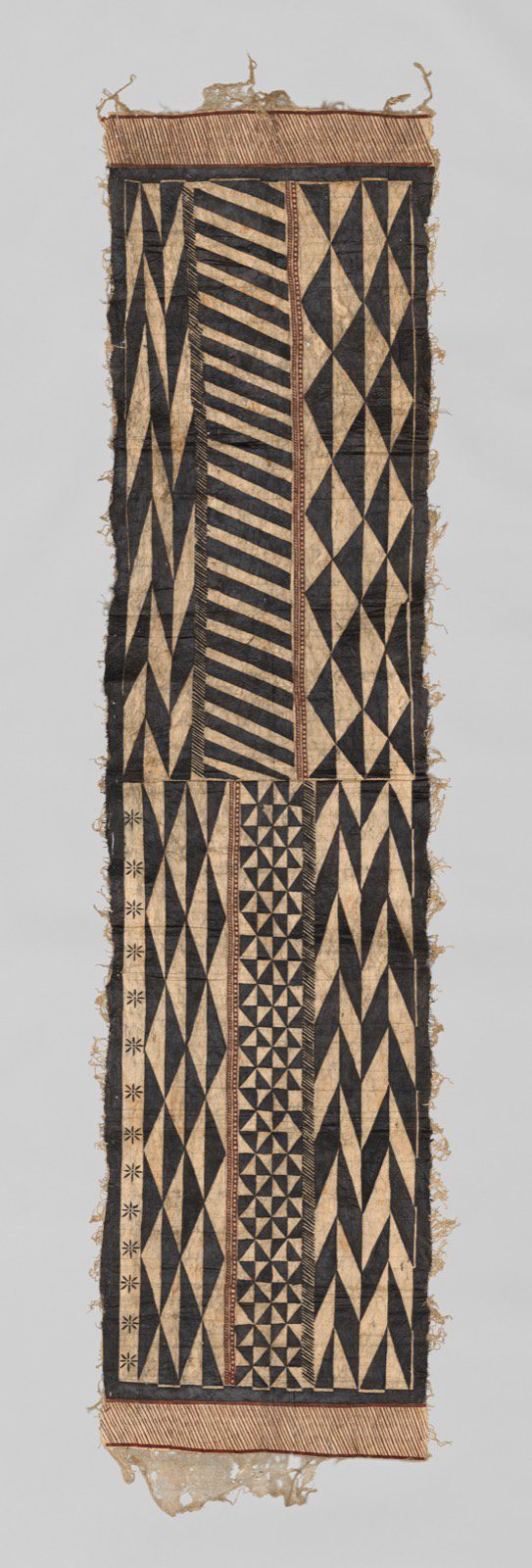
Six of those gifts are now at the Metropolitan Museum of Art in “Tapa: Art of the Gift in Polynesia,” a small show of 13 works from Fiji, Samoa, Futuna, and Niue, many of them on view for the first time. It runs through December 12, 2027.
Made by Women
Tapa is cloth made from the inner bark of trees, most often the paper mulberry. In Fiji it is called masi, in Samoa siapo, in Niue hiapo. The making has long been women’s work. According to the Met, women strip the bark, soak it until it is soft, and beat it with wooden beaters on a long block until thin strips become one wide sheet. In Fiji, the patterns were then stenciled on, mostly in black.
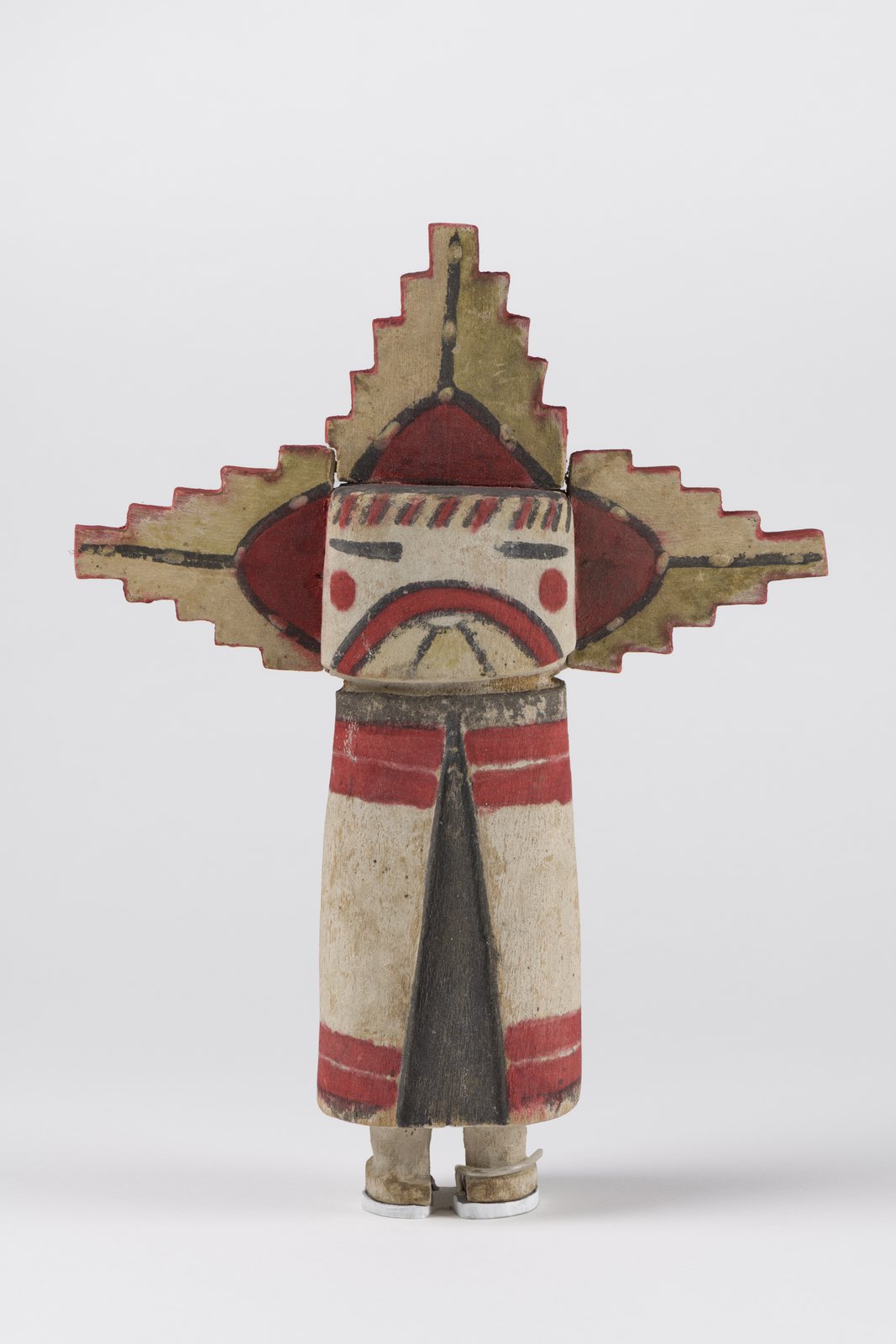
“We are delighted to feature an exceptional set of 19th-century tapa produced by women,” said Maia Nuku, the Met’s curator for the arts of Oceania, who organized the show. She calls the cloths “a vivid expression of the generative power of women.” The Brooklyn Museum’s recent show of Hopi kachina dolls looked at a gift tradition from the side of the girls and women who receive the gifts. Here, the women are the makers.
Gifts for the Stevensons
Stevenson settled in Samoa in 1890 and died there in 1894. He took the Samoan chiefs’ side in print, and his book “A Footnote to History” (1892) attacked German, British, and American interference on the islands. The chiefs, in turn, brought the Stevensons into their own world the way they would any important guest, with cloth. In Polynesia, tapa marks status and plays a central role at every major ceremony. Western museums long filed cloth made by women away as craft, an attitude that shows like “The Needle’s Eye” in Oslo and “Pathmakers” in New York set out to question. This show treats it as what it was in Samoa: a tool of power.
The cloth at the top of this page belonged to the Stevensons. It was made in Fiji and came to them in Samoa. In the gallery, look for the stepped cream bands that wind around the black. Rows of small stenciled figures, each with four bent limbs, march along them, too small to make out in a photo. After the family, its paper trail runs through an antiques shop in Pasadena, Calif., and several collectors before it reached the Met in 1990.
From Niue
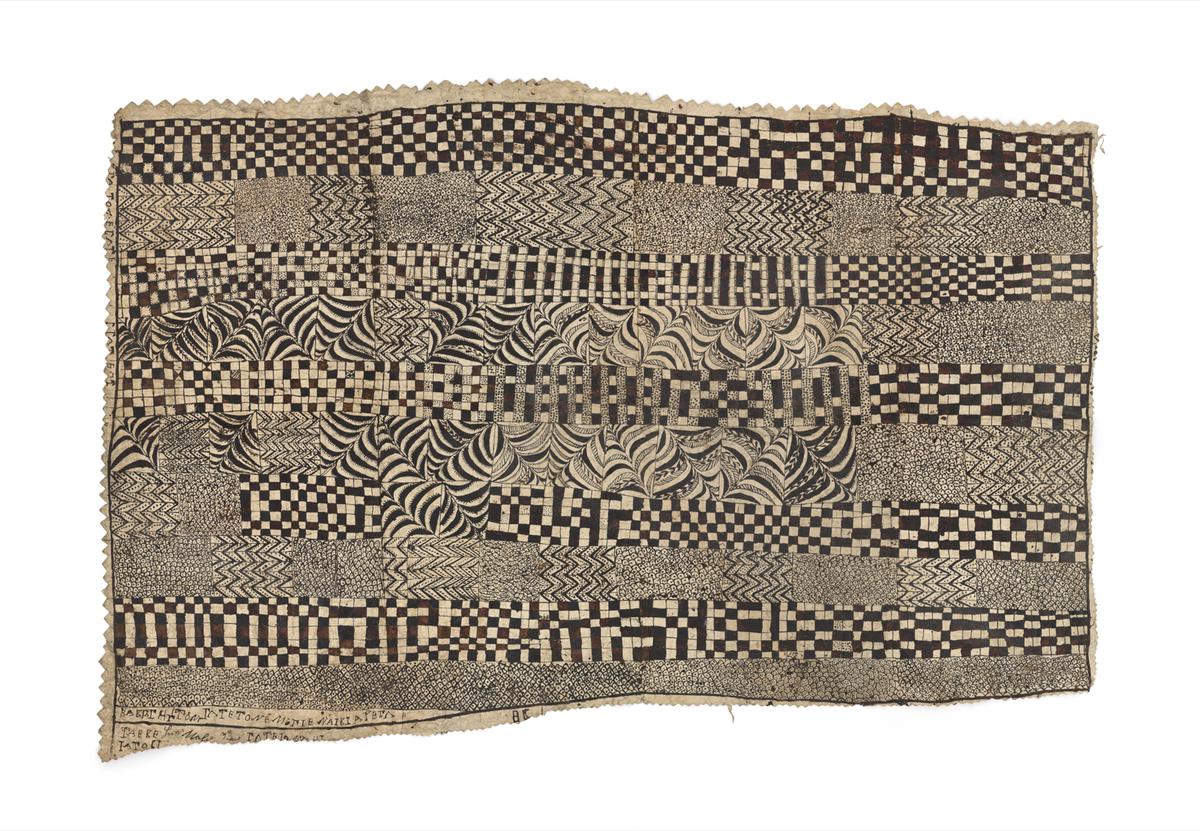
The show’s one loan is a hiapo from Niue, lent by Te Papa Tongarewa, the National Museum of New Zealand. Tapa making came to Niue in the 1830s with Samoan missionaries. This one is covered in dense fields of checks, zigzags, and fern-like curves, and along the bottom edge, someone wrote a line of letters by hand.
Hiapo also shaped the early work of the Niuean poet and painter John Puhiatau Pule, born in 1962. A large monochrome painting of his hangs in the show.
A Turtle-Shaped Bowl
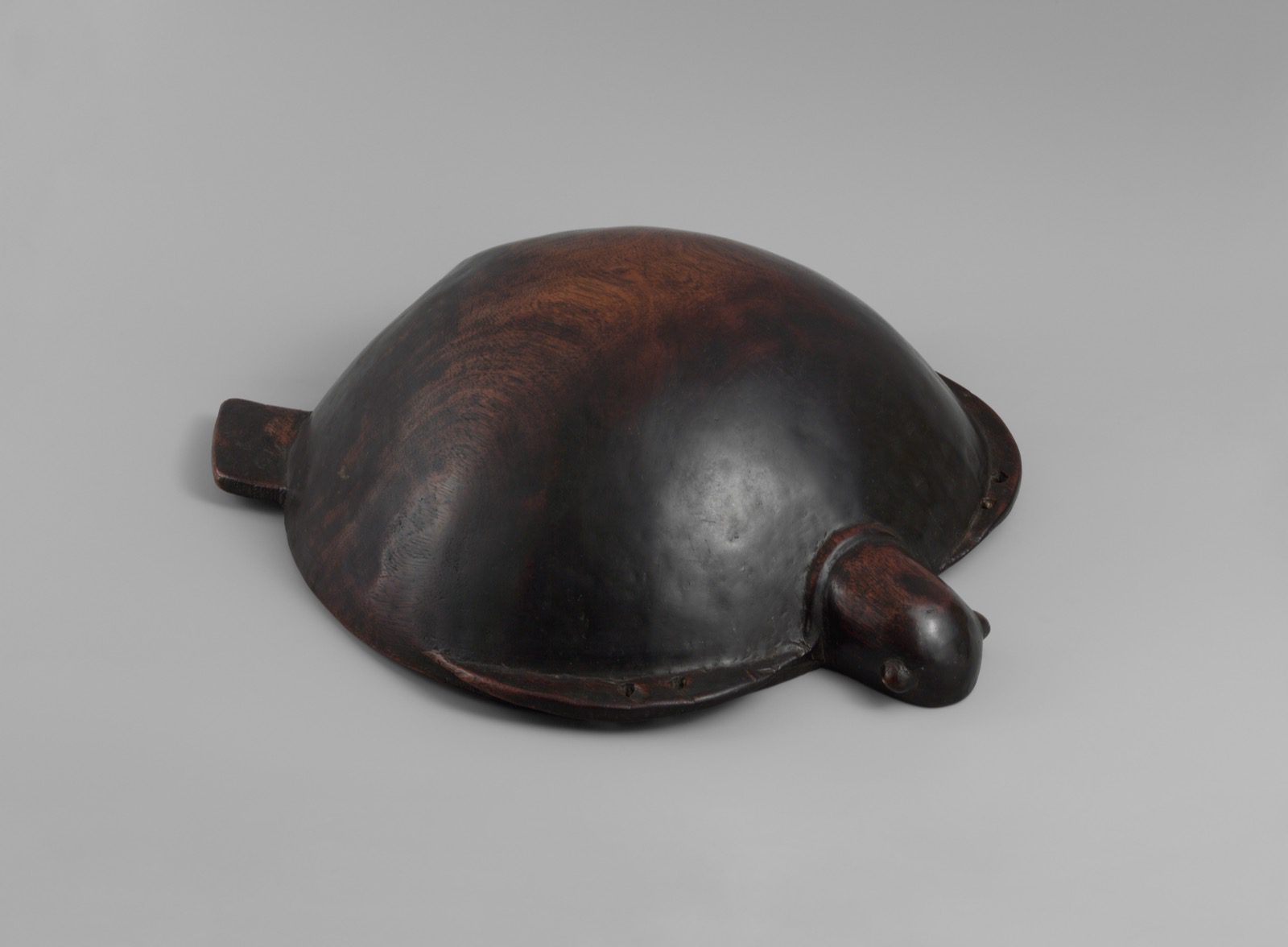
The show also includes carved objects. A wooden darivonu from Fiji, made in the early 19th century, is a bowl for serving ’ava, the drink made from kava root that is shared at ceremonies. It is carved in the shape of a turtle, which is easiest to see when the bowl is turned over, as in the photo below.
Seeing the Show
“Tapa: Art of the Gift in Polynesia” is the second show in the In-Focus gallery of the Met’s Michael C. Rockefeller Wing, which reopened in 2025 after a rethink of its collection of art from Africa, the ancient Americas, and Oceania.
If you’re at the Met before December 12, 2027, the show is in Gallery 359.