The Women Who Made the Wiener Werkstätte Modern
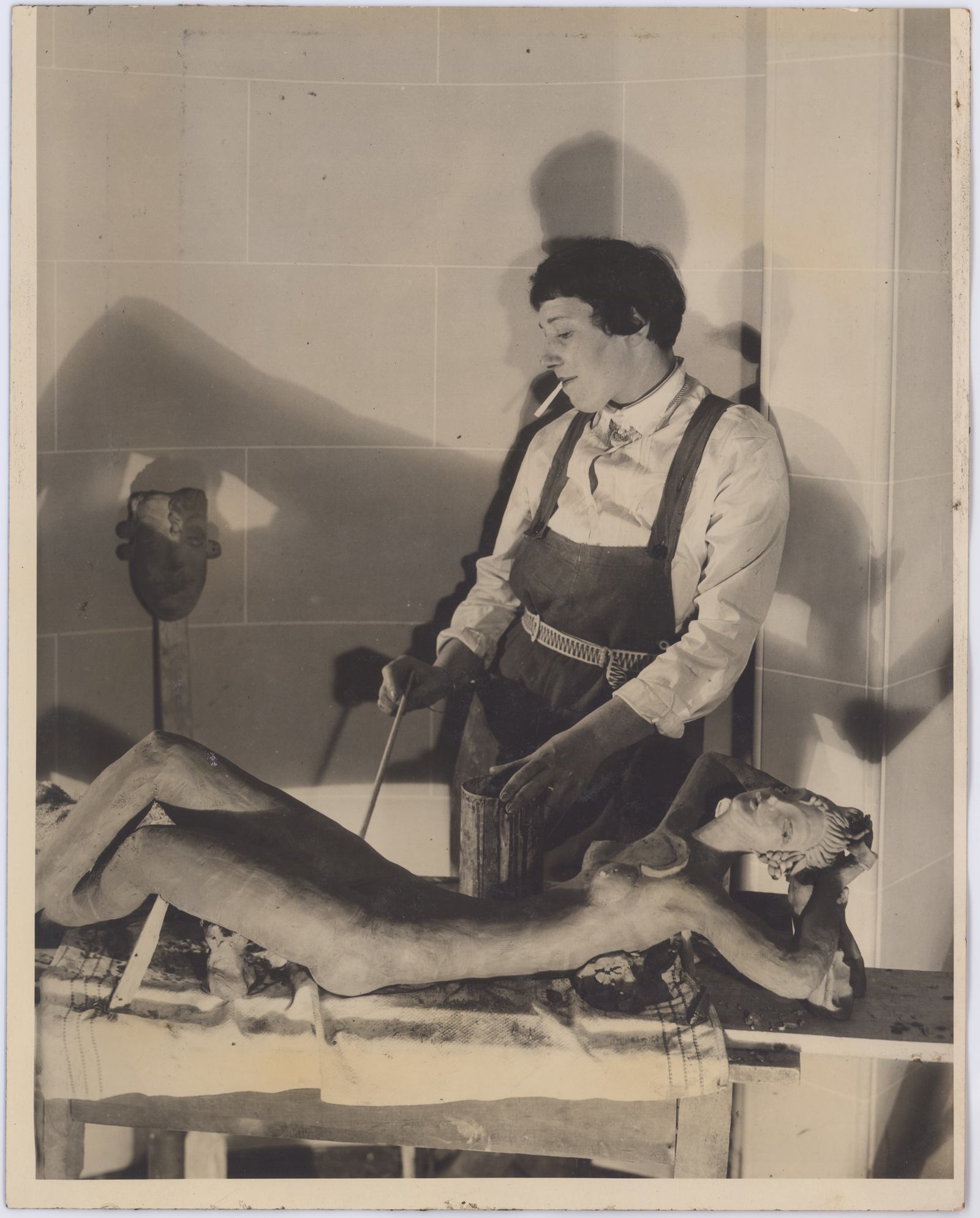
Between 1903 and 1932, the Wiener Werkstätte, or Vienna Workshops, made everything from furniture and glassware to dresses and postcards, and its story has mostly been told through its three founders, the architect Josef Hoffmann, the artist Koloman Moser and the industrialist Fritz Waerndorfer. Nearly 200 women worked for it, too, and recent research has found that about a quarter of them were of Jewish faith or heritage or had Jewish families. “Modernity and Opulence: Women of the Wiener Werkstätte” at the Jewish Museum brings together more than 200 objects by some 30 of these women, with Vally Wieselthier and Felice Rix at the center. The show is a cooperation with the MAK, Museum of Applied Arts, Vienna, curated by Kristina Parsons with Anne-Katrin Rossberg of the MAK.
Not everyone approved. The architect Adolf Loos pointed to the workshop’s decorative surfaces as a sign of degeneracy in his treatise “Ornament and Crime,” the artist Julius Klinger called the women’s work “broads’ applied art,” and the press called the whole enterprise a “scandalous bimbo business.” Ceramics and textiles would be filed as women’s work for decades, as the Museum of Arts and Design’s “Pathmakers” showed for the 1950s and ’60s, and embroidery still carries the label, as “The Needle’s Eye” in Oslo set out to question.
Vally Wieselthier’s Ceramic Heads
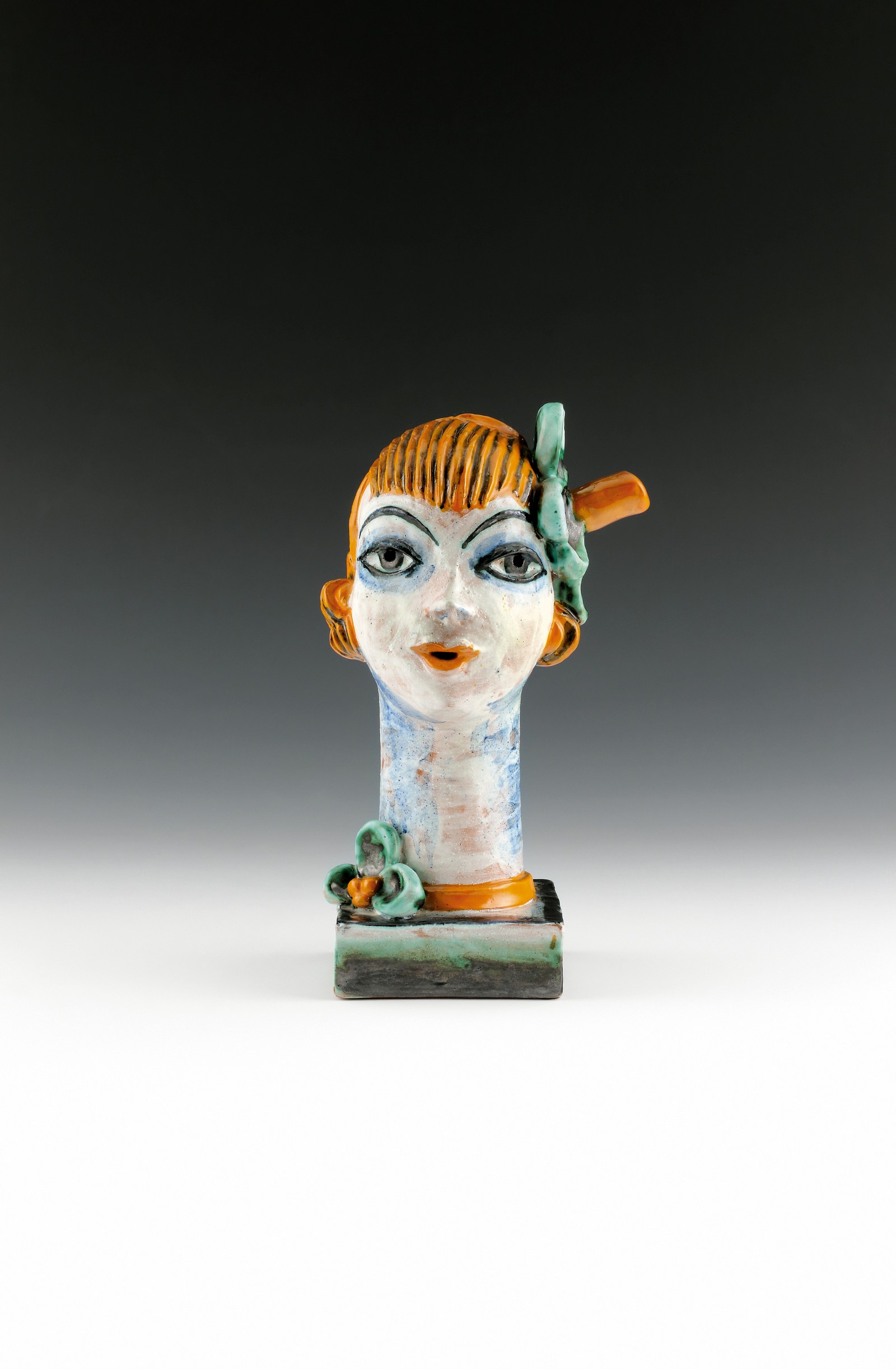
Wieselthier, born in Vienna in 1895, joined the Wiener Werkstätte in 1917. She ran her own ceramics workshop from 1922 to 1927, then sold it to the Wiener Werkstätte and became head of its ceramics department. She taught Susi Singer, Kitty Rix (Felice’s sister) and others, who went on to find styles of their own. Her heads of women began with mythological and classical figures, then turned to sending up the fashionable modern woman, with bright glazes that read as heavy makeup.
When her work was shown in a major ceramics exhibition at the Metropolitan Museum of Art in 1928, Wieselthier came to New York and built a career there. She joined the modernist design association Contempora with Paul Poiret and others, designed department store windows and made ceramic sculpture at ever larger scales. She died in New York in 1945.
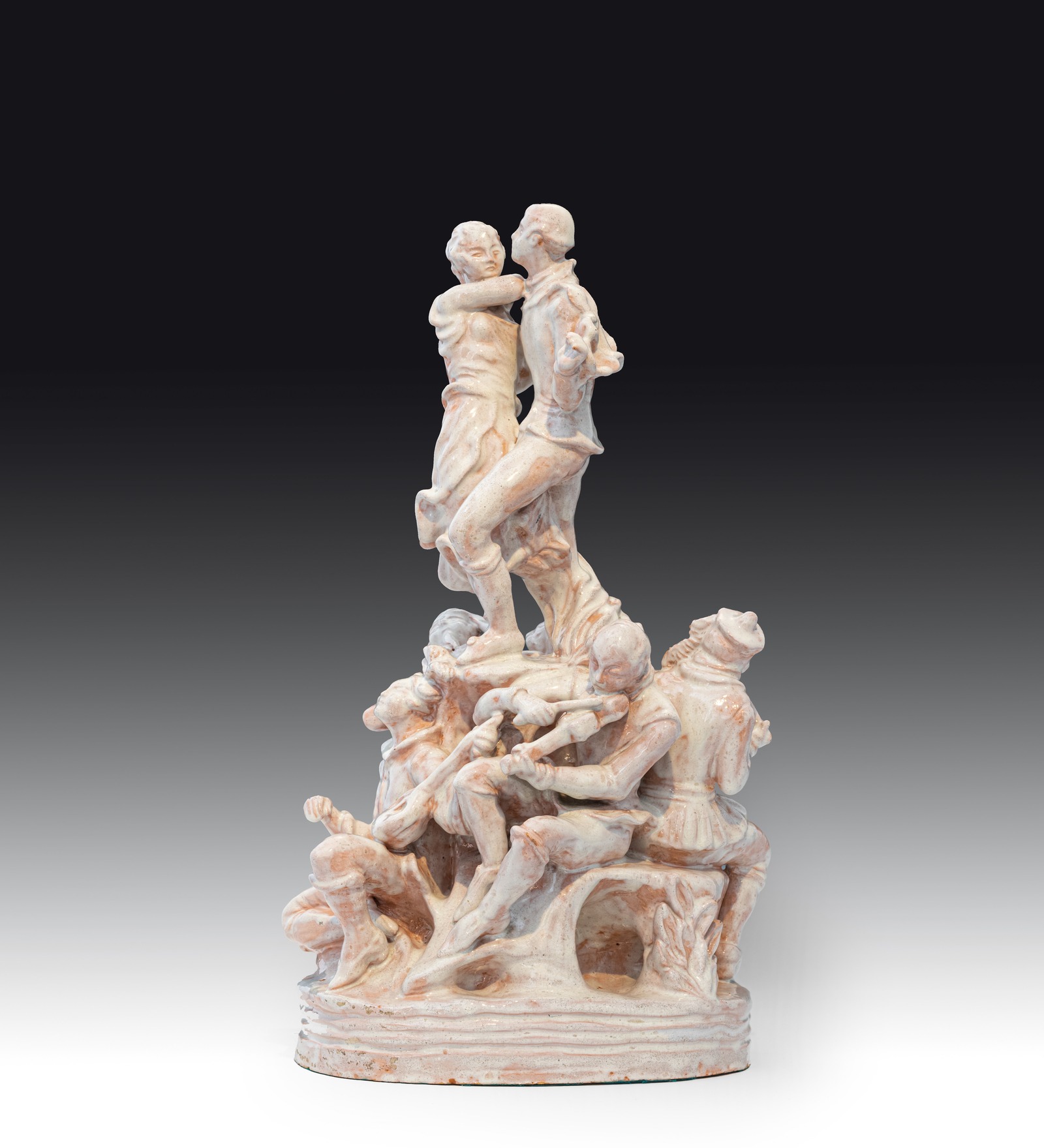
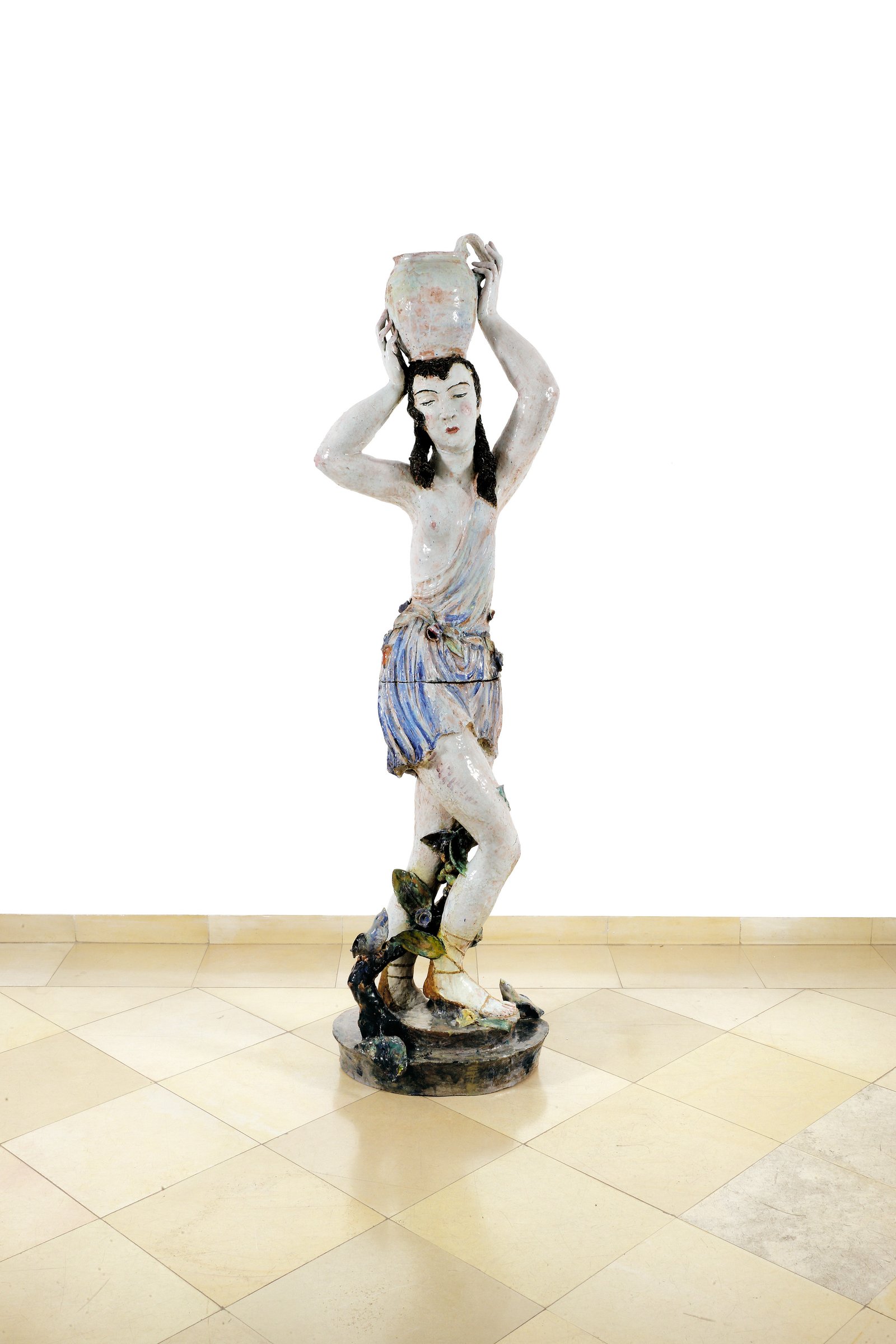
Singer, born in Vienna in 1891, died in Los Angeles in 1955. Her “Figure with Jug” stands more than five and a half feet tall.
Felice Rix and the Textile Department
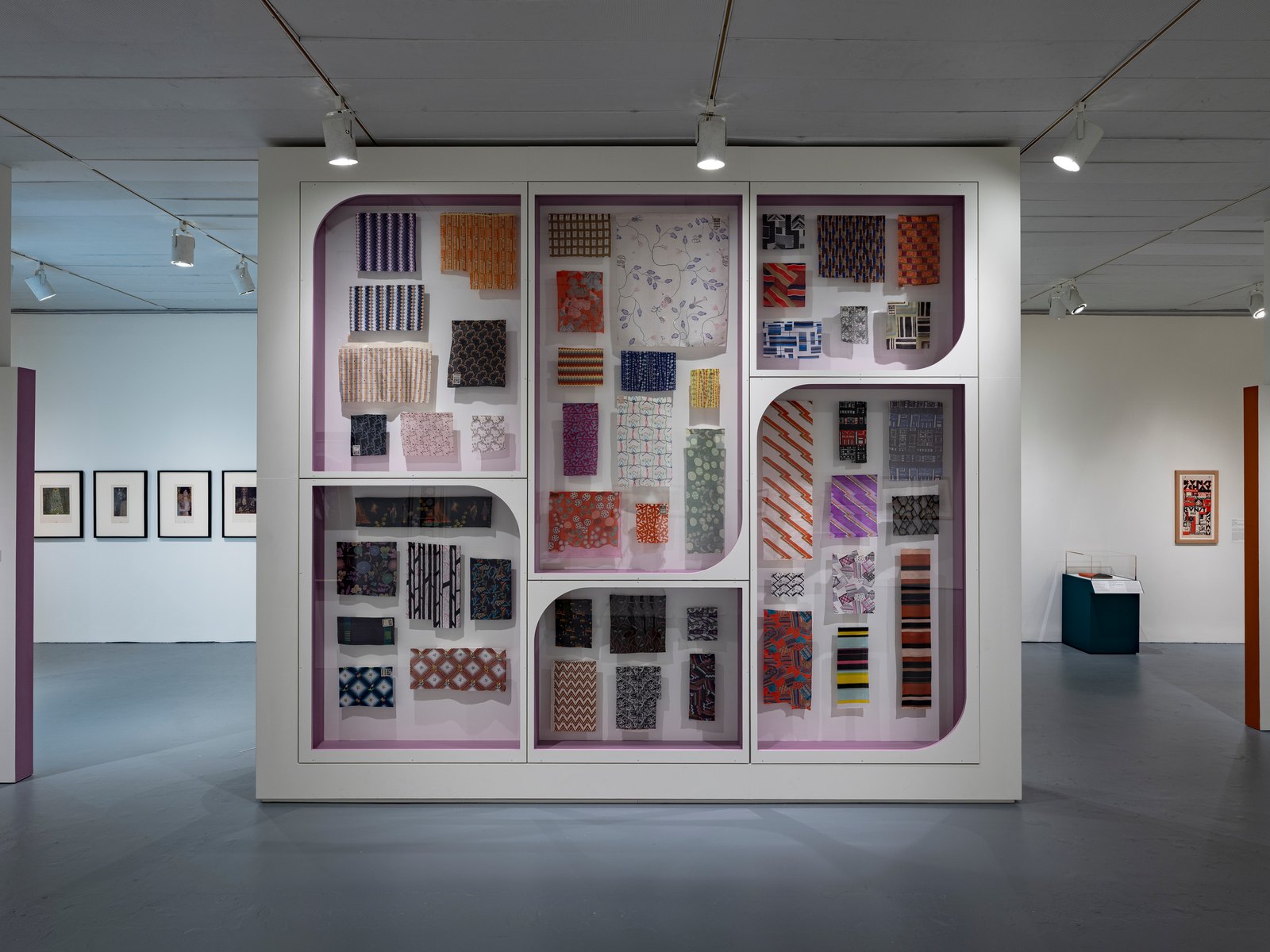
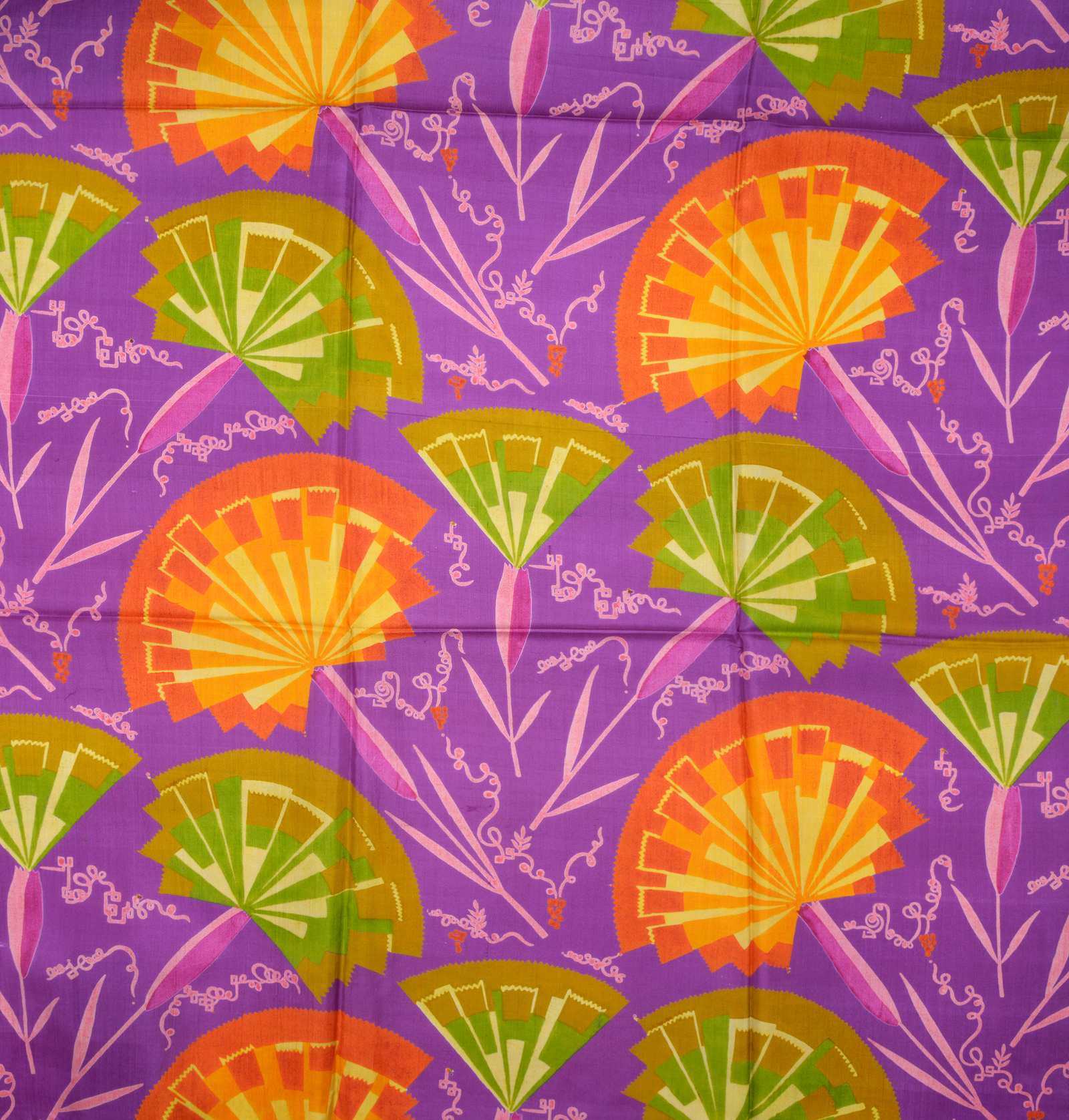
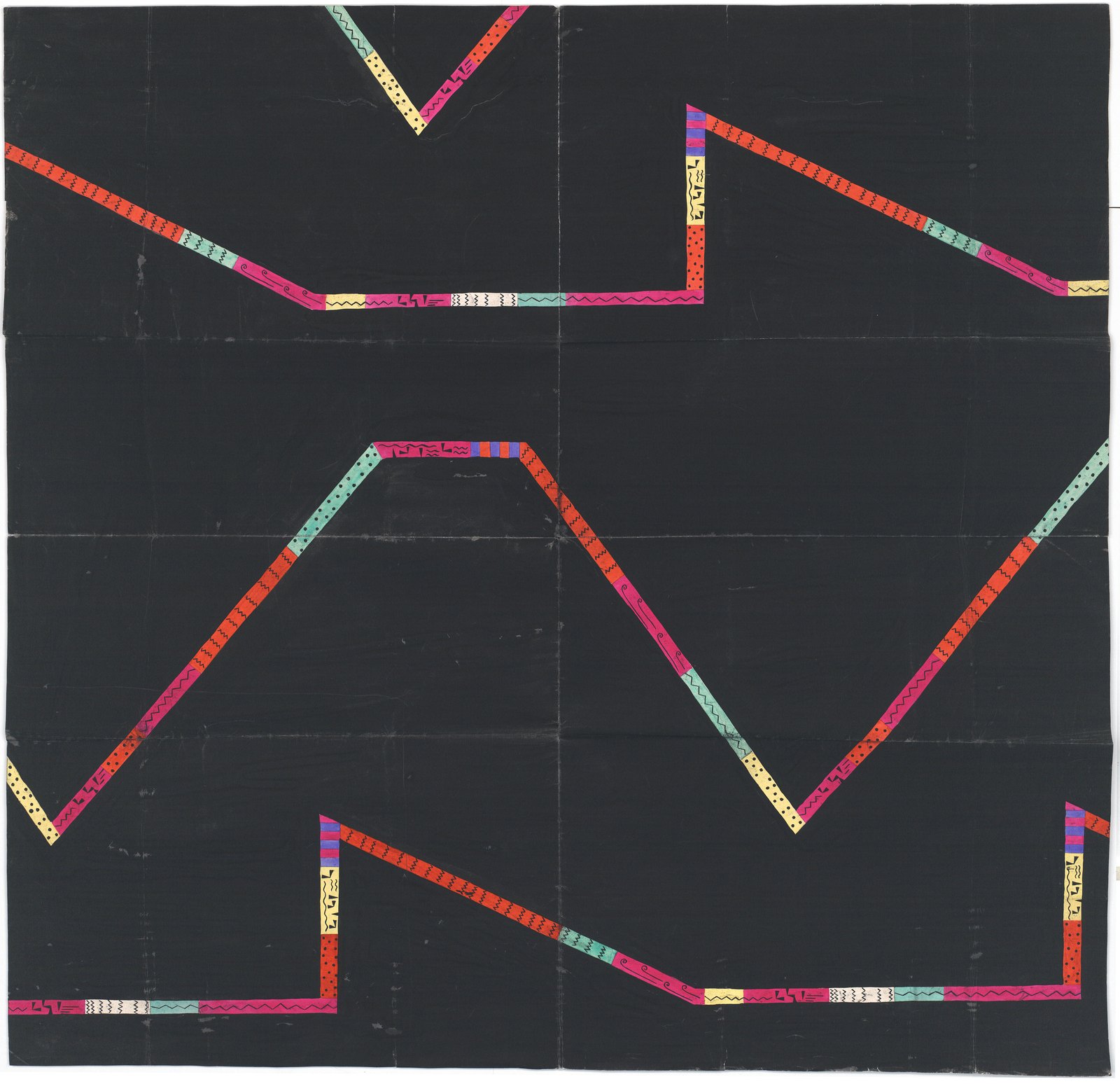
Felice Rix, later Rix-Ueno, was born in Vienna in 1893. She made her first designs for the Wiener Werkstätte as a student, adding patriotic decoration to glassware that her teacher Hoffmann had designed to support the war effort. That was the usual arrangement: a man, often Hoffmann, designed the form, and a woman designed the surface. Elsewhere, designers like Charlotte Perriand and Lilly Reich were steered toward the “softer” work of interiors while men took the credit (we wrote about both of them). In Vienna, after World War I, the women took charge of whole objects and interiors. Rix had a lasting influence on textile design. She died in Kyoto in 1967.
Reform Dress
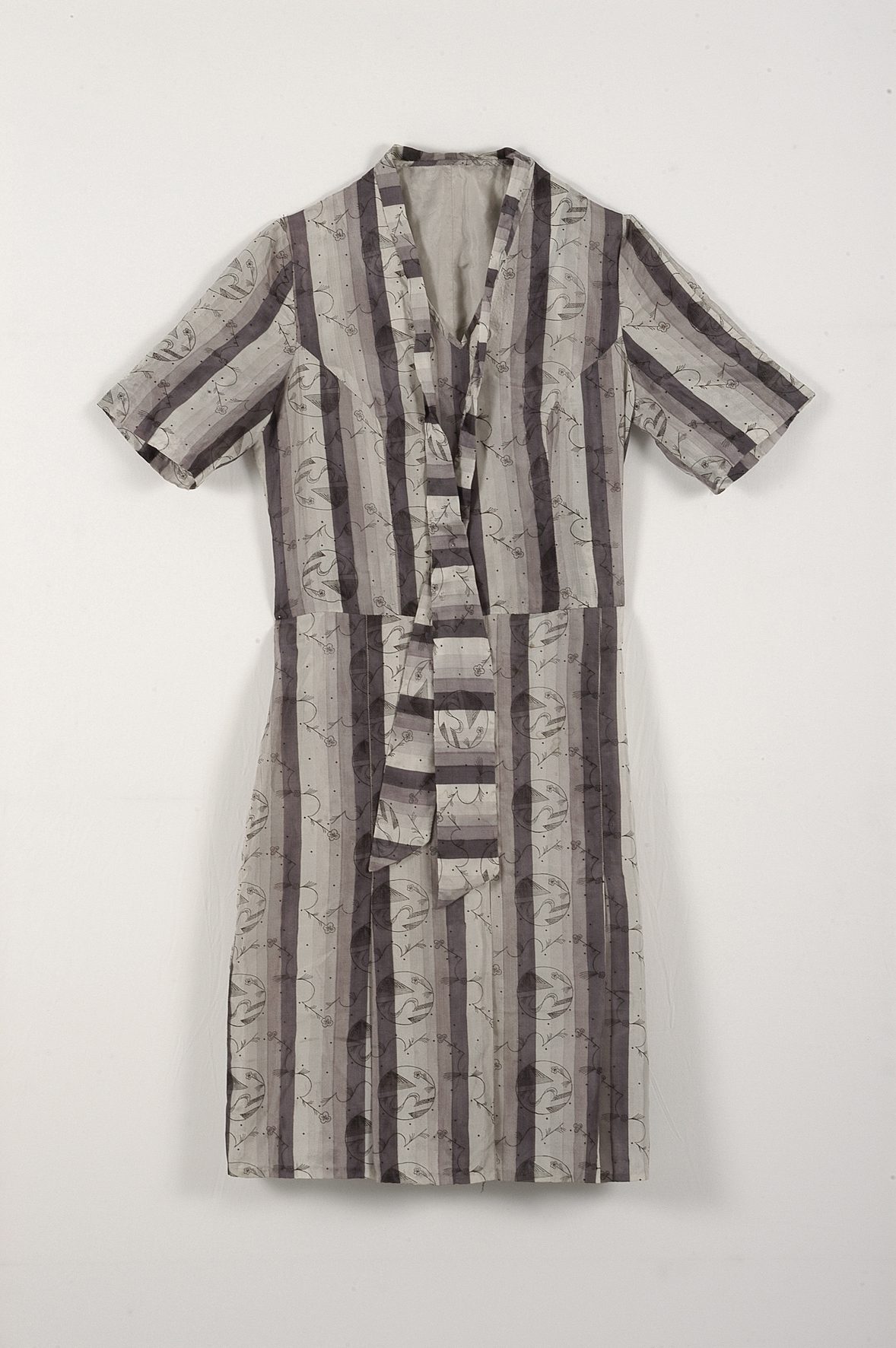
The textile department opened in 1910 and the fashion department a year later, thanks to the Jewish artist Marianne Zels, who held the dressmaking certification needed to register the business. More than 500 new patterns came out between 1910 and 1917 alone, and at times the fashion side kept the whole enterprise afloat. The clothes followed “reform dress,” loose and flowing, without tight-laced corsets. (For more on what clothes have said about gender in art, see Yassana Croizat-Glazer’s “Well Suited.”)
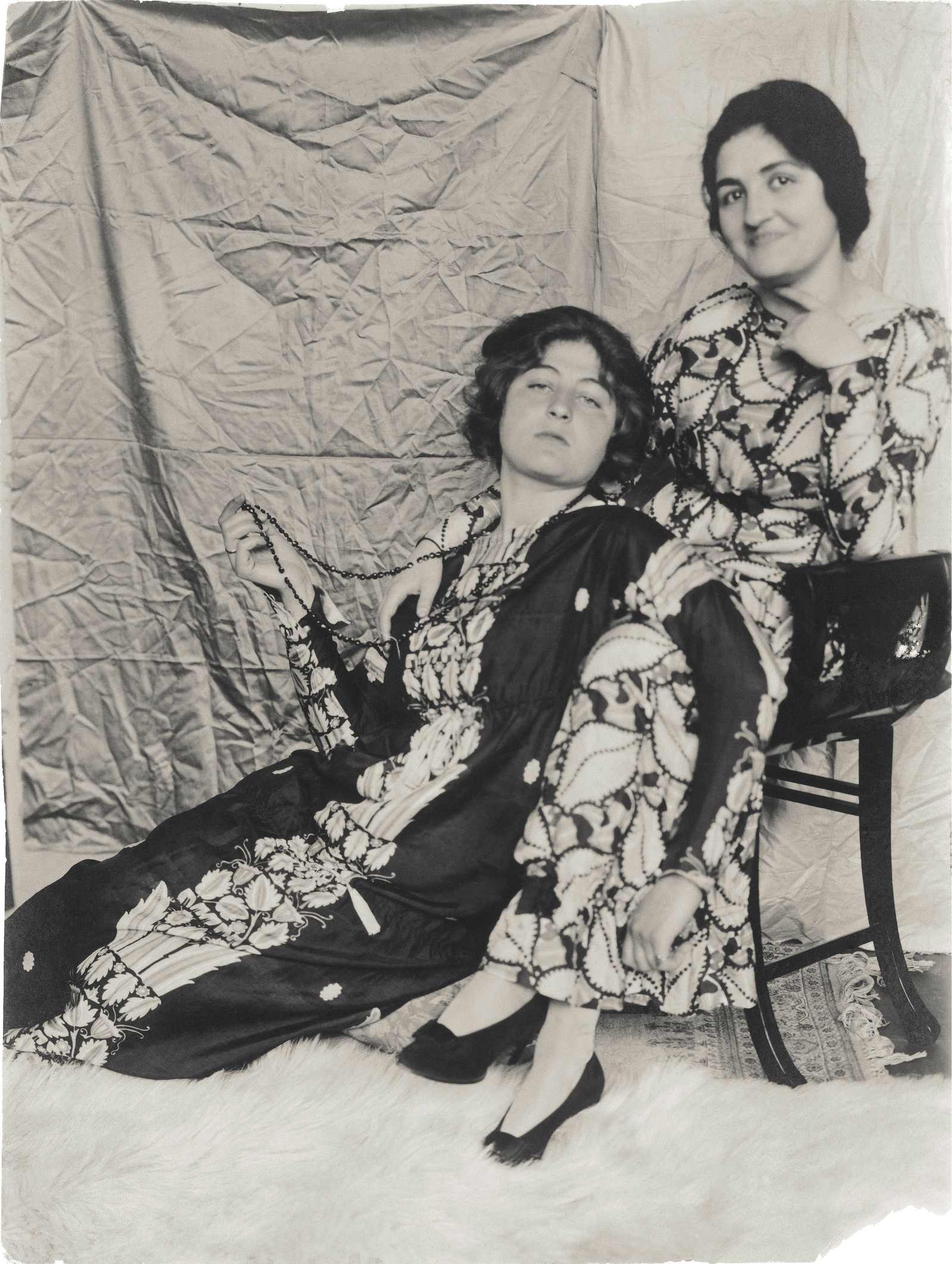
The Wiener Werkstätte’s clients included the socialite Friederike Maria Beer, who styled herself a “walking advertisement for the Wiener Werkstätte.” Here she is with her sister Charlotte in 1914; her dress is cut from Martha Alber’s “Leaves” fabric.
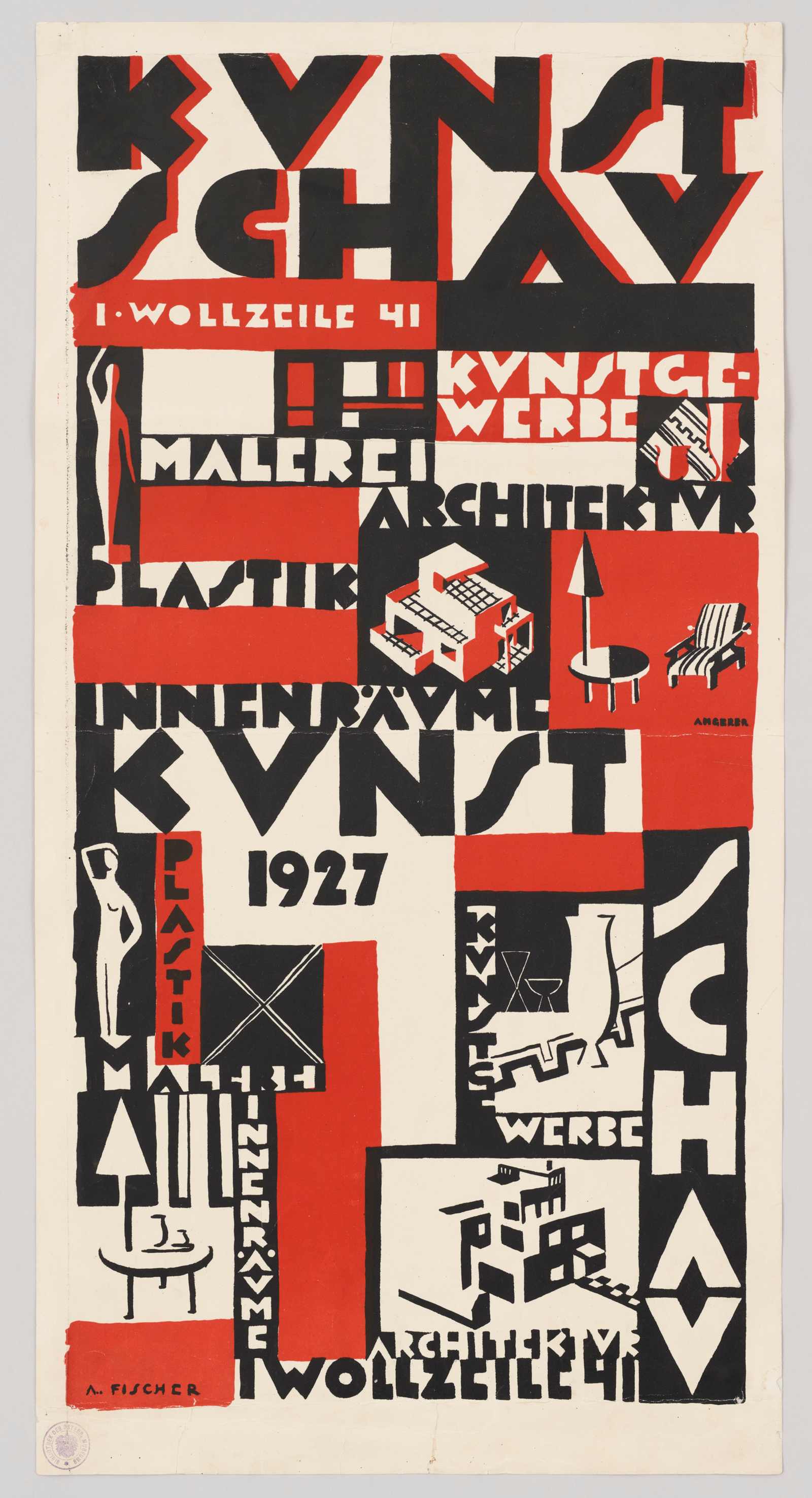
“Modernity and Opulence: Women of the Wiener Werkstätte” is on view at the Jewish Museum, 1109 Fifth Avenue at 92nd Street, New York, through Nov. 15, 2026. For more shows by women artists and curators, see our On View list.